-

Science must become a pillar of Canadian foreign policy
With technological developments reshaping global governance, science cannot remain isolated from international relations.
-

Towards a more equitable syllabus
Women students in political science share what makes a syllabus feel fair and inclusive
-

California went big on AI in universities. Canada should go smart instead
Learning requires struggle, persistence, iteration and deep focus.
-

Black women in Canadian universities face systemic racism and discrimination
A portrait of the systemic challenges faced by Black female professors in Canadian universities, and ways to support them.
Sponsored Content
-

MDPI Toronto Summit 2026: Bringing together leaders to shape the future of scholarly publishing
Highlights, key discussions, and insights from two days of collaboration, innovation, and open dialogue across leaders within the global research community.
-

Meet Kevin McCormick, Founding President of the Canadian Institute for Human Rights and Global Health
Bringing capacity to global engagement.
-

From business journalism to entrepreneurial support
A Moroccan BCDI 2030 Scholar committed to empowering women entrepreneurs.
-

University of Guelph postdocs vote to unionize, but bigger goals lie ahead
Postdocs recount three key elements in their strategy that led to their unionization efforts.
-

The role of intuition and luck when starting a company
A startup company should only be focused on one idea at a time and learning to trust your gut when making decisions will help your team stay on track.
-

How Canada short-changes its graduate students and postdocs
Indexing scholarships and stipends is a simple yet effective way to maintain early career researchers’ standard of living.
-

How to make the history of ideas more engaging for students
Students become far more interested when discussions focus on the tensions within a belief system rather than comparing two different ones.
-

The intimidation of researchers: a plea for meaningful institutional protection
Universities need to better protect researchers who are bullied for sharing scientific knowledge publicly.
-

When good intentions are not enough: how sustainable development goals at universities can perpetuate the issues they’re aimed to address
Just because a technology or policy is ‘green’ does not make it immune from reproducing harmful colonial and capitalist relations.
-

A call for widespread adoption of universal MTAs
The current process for material transfer agreements involves way too much paperwork and puts unnecessary stress on both researchers and technology transfer offices.
-

What’s missing from current discussions about reimagining our universities
Assumptions that tenure is central to an effective university and that academics must be engaged in both teaching and research are only part of the problem.
-
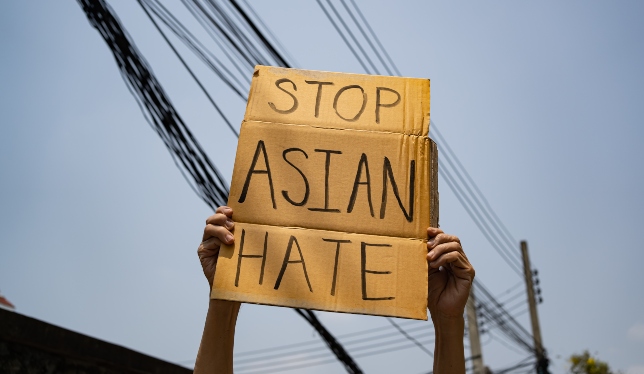
As Asian Canadian scholars, we must #StopAsianHate by fighting all forms of racism
Anti-Asian racism affects us as Asian Canadians in our daily lives and in our careers.
-

Two misconceptions about ‘collegial governance’
Academic staff are not only employees; they are also the ‘collegium’ charged with the academic governance of universities.