-

Early-career researchers need to be the change they want to see
The status quo is not good enough, a new paper concludes.
-

Aligning your brand and culture within your team
Once you know what type of brand you are aiming for, you can identify the values that your team should embrace.
-

Will 2021 be the year for improving mental health in academia?
This past year has accentuated issues that needed to have some light shone on them and we should be very careful not to push them back in the darkness.
-

The benefits of aligning your brand and culture
Having a distinct brand that is integrated with your research program’s culture allows your team to define its strengths and intended contributions to a field.
Sponsored Content
-

MDPI Toronto Summit 2026: Bringing together leaders to shape the future of scholarly publishing
Highlights, key discussions, and insights from two days of collaboration, innovation, and open dialogue across leaders within the global research community.
-
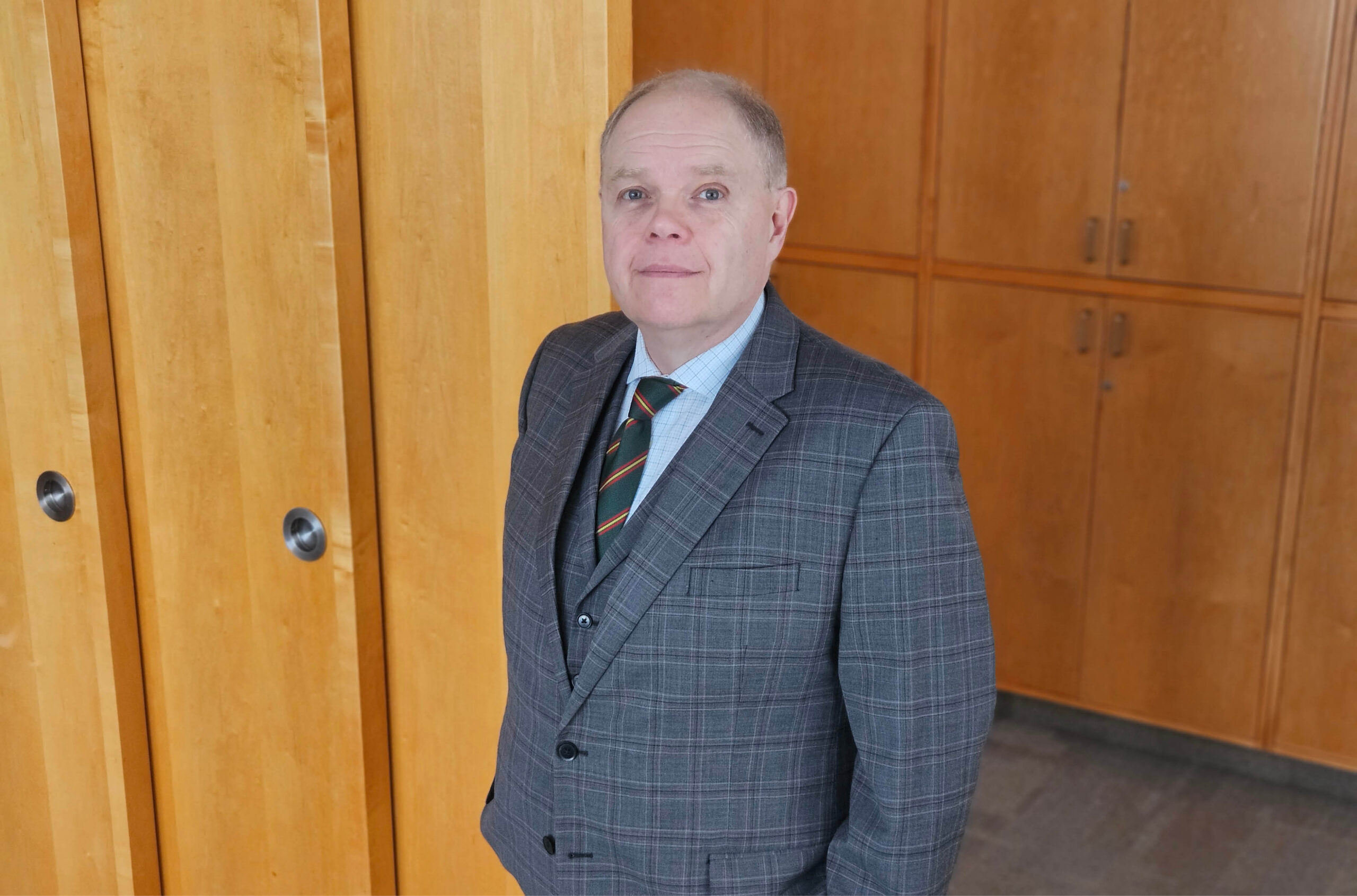
Meet Kevin McCormick, Founding President of the Canadian Institute for Human Rights and Global Health
Bringing capacity to global engagement.
-

From business journalism to entrepreneurial support
A Moroccan BCDI 2030 Scholar committed to empowering women entrepreneurs.
-

Scientists making science better – an eLife experiment
The culture of scientific research desperately needs a makeover. Enter the eLife Ambassador program.
-

The opportunity cost to doing scientific research at a university
Translational research should be scientist-driven and institutionally supported, not the other way around.
-

Quarterly summary: From startups to dropouts
After nearly 10 years, some issues have definitely moved on, but so many are still stuck in really dark and nasty places.
-

Why labs should embrace 360-degree faculty reviews
Feedback from multiple sources ensures that faculty are not disillusioning themselves with misguided opinions on their strengths and weaknesses.
-

Why some research areas appear relatively “over-funded”
Public perception of which cancers get research funding differs greatly from what actually gets funded. Here’s why.
-

Lessons learned for hiring new staff at a startup
While every organization is different, sharing best practices can help inform process development.
-

Retroactive pension as a postdoc? Apply now!
It is sad that highly-qualified, highly-educated scientific researchers need to worry about pleading their case to have a national pension contribution.
-

Resiliency in science: We need to stop punishing vulnerability
The scientific profession is not for everyone, but there is no reason why we should actively be forcing people out.
-

Teaching and research roles – moving beyond the clinician scientist
How about offering permanent lecturers the ability to undertake research in a leading lab in the same department?
-

Limiting grants to well-funded labs
While no one is arguing for funding failure, the challenge is how we define “success.”