Entrepreneurship is weaving its way into engineering schools
Engineering schools are broadening their scope—without losing sight of their technical foundation.

As they work to balance financial pressures, student expectations and academic freedom, engineering schools are turning to entrepreneurship. Kathy Baig, Chief Executive Officer of the École de technologie supérieure (ÉTS), spoke to University Affairs about the role of entrepreneurship in engineering, its Centech incubator and what changes are on the horizon—including generative AI.
University Affairs: By introducing entrepreneurship into engineering schools, are we redefining the engineering profession?
Kathy Baig: Technical skills are still at the core of our programs; that won’t change. But today’s engineers are increasingly playing management, entrepreneurship and leadership roles. So, there is an evolution towardsintegrating management and interpersonal skills as well as strategic vision., That’s one reason we’re training engineers in these areas.
A 2022 study by the Ordre des ingénieurs du Québec showed that 15 per cent of engineers started their own business. Over 50 per cent of students surveyed expressed interest in following the same path. As Canada’s entrepreneurial numbers decline, government initiatives are emerging to support business development. But external pressures are not’ guiding ÉTS’s choices. Entrepreneurship aligns with our institutional identity and with market needs.
Entrepreneurship is one among several avenues students can pursue. We are also training technical experts and managers. ÉTS students are free to chart their own path, whether in university sports, community engagement, or entrepreneurship. Our goal is to offer ways to pursue a wide variety of interests.
One way we do that is through Centech, a deep tech incubator. It’s tied to ÉTS, but it’s also open to external projects. It offers two main programs for entrepreneurs: Acceleration and Propulsion. Teams pitch projects that are already well underway, and Centech offers them support, training and coaching to grow their business. Not all teams will continue the journey, but the goal is to accelerate or propel business development.
UA: How do you reconcile entrepreneurship, research and academic freedom?
KB: Academic freedom is our keystone. Professors are free to choose what they research. ÉTS can define certain priorities or invest in strategic areas, but our university governance protects researchers’ independence.
That said, our letters patent state that the institution must support knowledge development and enhance Quebec’s economic impact. About 70 per cent of our research is carried out in partnership with industry. Research and business are closely tied.
Recent developments in the United States have naturally raised concerns about academic freedom. Some researchers have felt the pinch, but the amount of funding we get from the United States is relatively low. Overall, our research was not significantly affected. For example, our Institut AdapT—which designs climate-resilient infrastructure—continues to operate normally.
UA: Do students have what they need to transform research into business ventures? Does Quebec?
KB: There’s still work to do. We saw that we could do more to help our own students become entrepreneurs, so we created a hub that supports students seeking to launch a business.
We’re also considering a student entrepreneur program that would recognize experience from working at a start-up or in one’s own business. We’ve kept an eye on what’s being done elsewhere, especially with start-up internships, to help students discover the industry. The goal is to stimulate more interest in and development of engineering businesses.
UA: What do you think engineering studies will look like in 20 years?
KB: Entrepreneurship will remain a very prominent feature. Generative AI will transform the profession, as other tools before it did; we’ve already been using design-assist software for years. There’s no doubt AI is changing our practices. But engineers still do complex, multidisciplinary and deeply human work.


Featured Jobs
- Canada Impact+ Research ChairInstitut national de la recherche scientifique (INRS)
- Health Sciences - Assistant ProfessorSimon Fraser University
- Vice President, Finance & AdministrationOCAD University
- Occupational Therapy - Assistant or Associate ProfessorDalhousie University
- Marketing - Faculty Position, Tenured or Tenure TrackUniversity of Alberta
More from Features
-

How social movements shape Canadian universities
A history of clashes, challenges, and lessons learned.
-

U the North
Working together with Inuit, First Nations and Métis, university researchers are bolstering sovereignty and improving living conditions in the Arctic.
-

Degrees of Change
British Columbia’s funding pressures, shifting enrolment and policy reforms signal sweeping changes ahead for colleges and universities across the province.
-
Flight of the Valkyrie
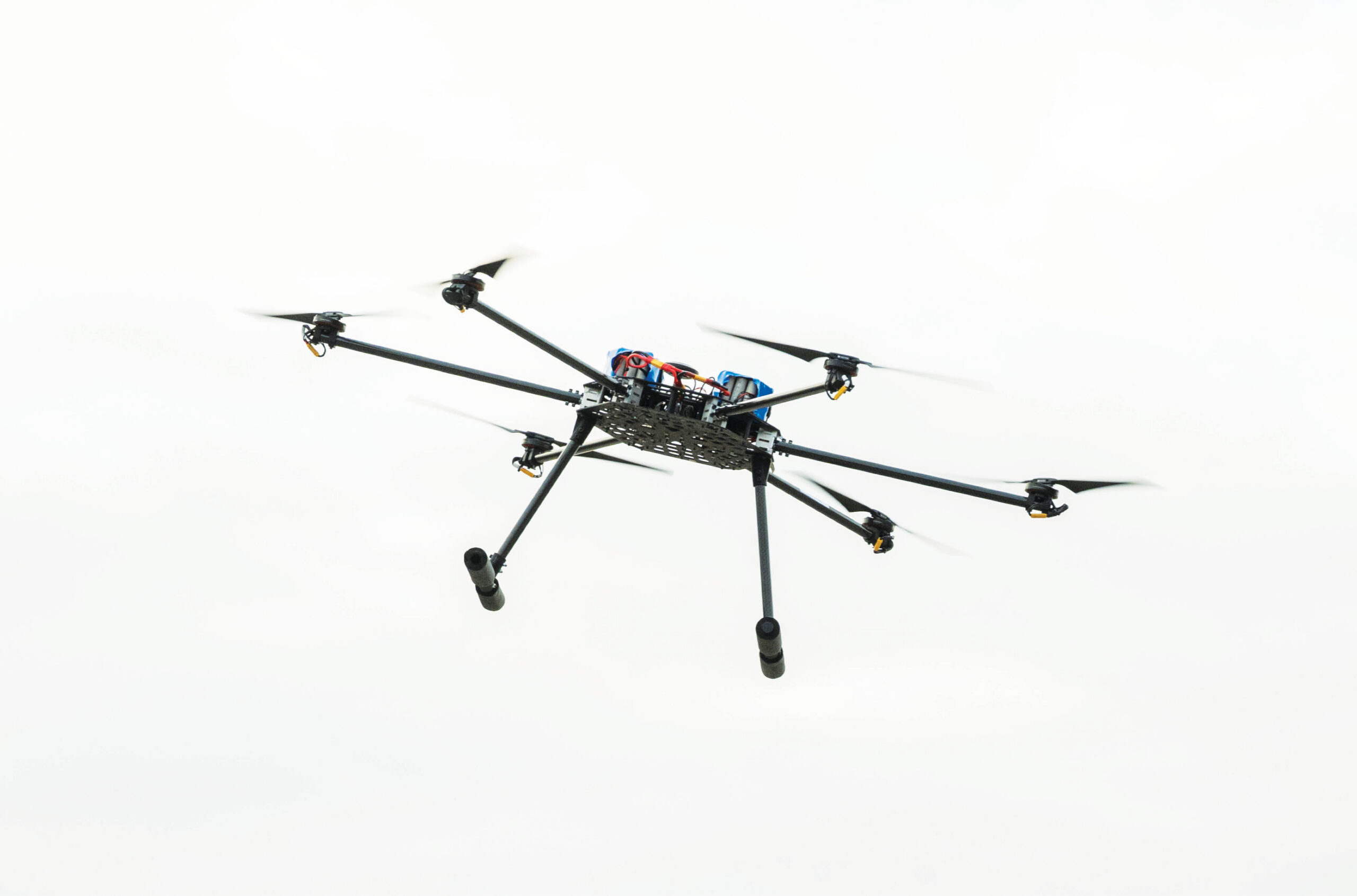
Waterloo engineering students compete for glory with an AI-enhanced urban firefighting drone.
More from Q&A
-

Stéphane Dion: “The university will always be a forum for debate”
Université de Montréal’s new diplomat-in-residence talks about the enduring role of universities in a world marked by uncertainty, international tension and technological change.
-

Reaffirming the role of universities
Lessons from the U.S.
-

Are universities ready for cyberattacks?
Canadian universities stand in the crosshairs of cybercriminals: Q&A with Benoît Dupont, Canada Research Chair in Cyber-resilience.
-

Meeting the moment together
Universities Canada’s new chair of the board of directors Joy Johnson on the path forward for higher education.
More from Feature articles
-

Behind the curve
Learning to embed AI in the medical curriculum.
-

The grey area of artificial intelligence
As AI transforms university practices, legal and ethical challenges are multiplying.
-

The King and AI
A team of international scholars tackles a historical work of epic proportions.
-

Wags over worries
A look at how campuses across Canada use pet therapy programs to support students’ mental health.


Post a comment
University Affairs moderates all comments according to the following guidelines. If approved, comments generally appear within one business day. We may republish particularly insightful remarks in our print edition or elsewhere.