-

Curiosity over canon
The benefits of research beyond methodological silos.
-

The San Francisco Declaration on Research Assessment continues to gain traction in Canada
‘DORA never says publication or traditional scholarly output doesn't matter. What it does say is that scholarly output is diverse.’
-

The rise of disaster studies
Disasters happen more often — these programs explore the whys and hows.
-

U of T prof’s animatronic puppets are inspiring kids to use tech as a tool for creativity
‘It’s a bit of a stealth STEM program.’
-
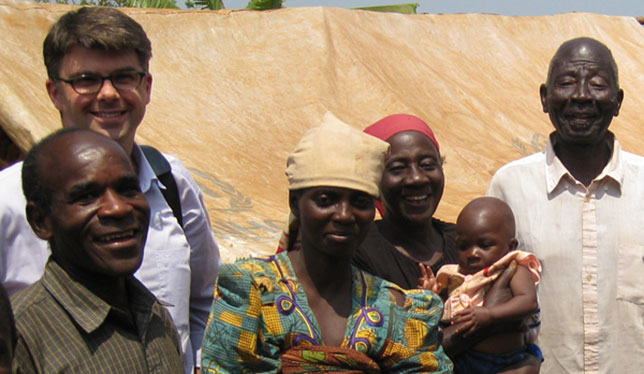
How a multinational project is striving to change refugee research
About 85 percent of the world’s refugees can be found in the global south while most refugee research is based out of the global north; a Canadian study aims to bridge that gap.
-
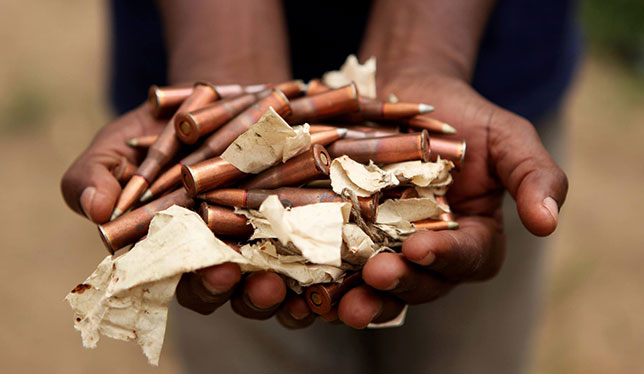
Dalhousie-based initiative seeks to eradicate recruitment of child soldiers
The organization was founded in 2007 by retired Canadian Forces General Roméo Dallaire.
-

L’affaire Maillé: the inside story on the legal dispute over data confidentiality
Researcher Marie-Ève Maillé discusses her legal battle and the lessons she has learned from it.
-
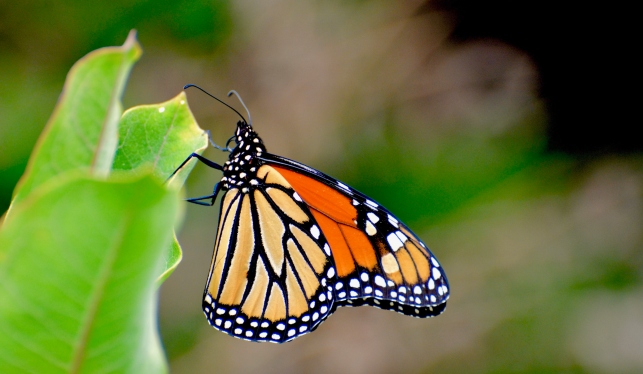
How apps and online databases are helping conservation science to thrive
Thanks to internet-enabled technologies and citizen scientists, ecologists now have access to more data than ever before.
-

This PhD student turned his research on superconductivity into an award-winning music video
“There is very little that can’t be translated into dance,” says U of Alberta physicist Pramodh Senarath Yapa, who took home “best overall” in Science’s Dance Your PhD contest.
-

National survey to shed light on postsecondary student homelessness
After years of collecting anecdotal data, UNB professor Eric Weissman is leading a study to bring the issue of student homelessness out of the shadows.
-

Loneliness: the silent killer
Researchers from numerous disciplines have begun to investigate the heavy toll that loneliness takes on society.
-
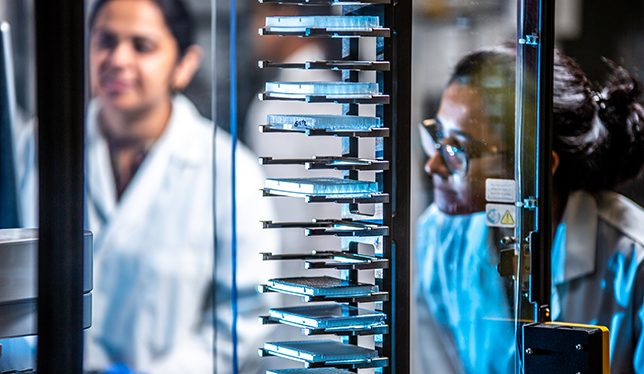
The Genome Foundry ushers Canada into the era of automated genetic engineering
The Concordia research facility is the first of its kind in Canada, and one of about 15 labs in the world to specialize in the automated assembly of DNA parts.
-
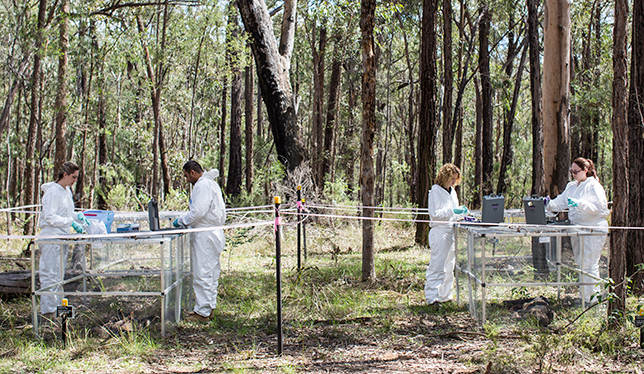
Quebec university to open country’s first ‘body farm’ research site
Université du Québec à Trois-Rivières has recruited top Australian forensics expert to study the open-air decomposition of human remains.
-

Even an academic hoax needs ethics approval
The authors of the fake “grievance studies” papers would have made a stronger point if they’d gone through an institutional review board.