-

It’s time to boycott U.S. conferences
As trade hostilities continue, we shouldn’t use taxpayers’ dollars to travel stateside.
-

What are universities really for and why does it matter now?
A review of Knowledge Under Siege: Charting a Future for Universities, University of Regina Press, 2026.
-

Curiosity over canon
The benefits of research beyond methodological silos.
-

Beyond protection?
The impact of ethics sprawl on researchers at Canadian universities.
Sponsored Content
-

MDPI Toronto Summit 2026: Bringing together leaders to shape the future of scholarly publishing
Highlights, key discussions, and insights from two days of collaboration, innovation, and open dialogue across leaders within the global research community.
-
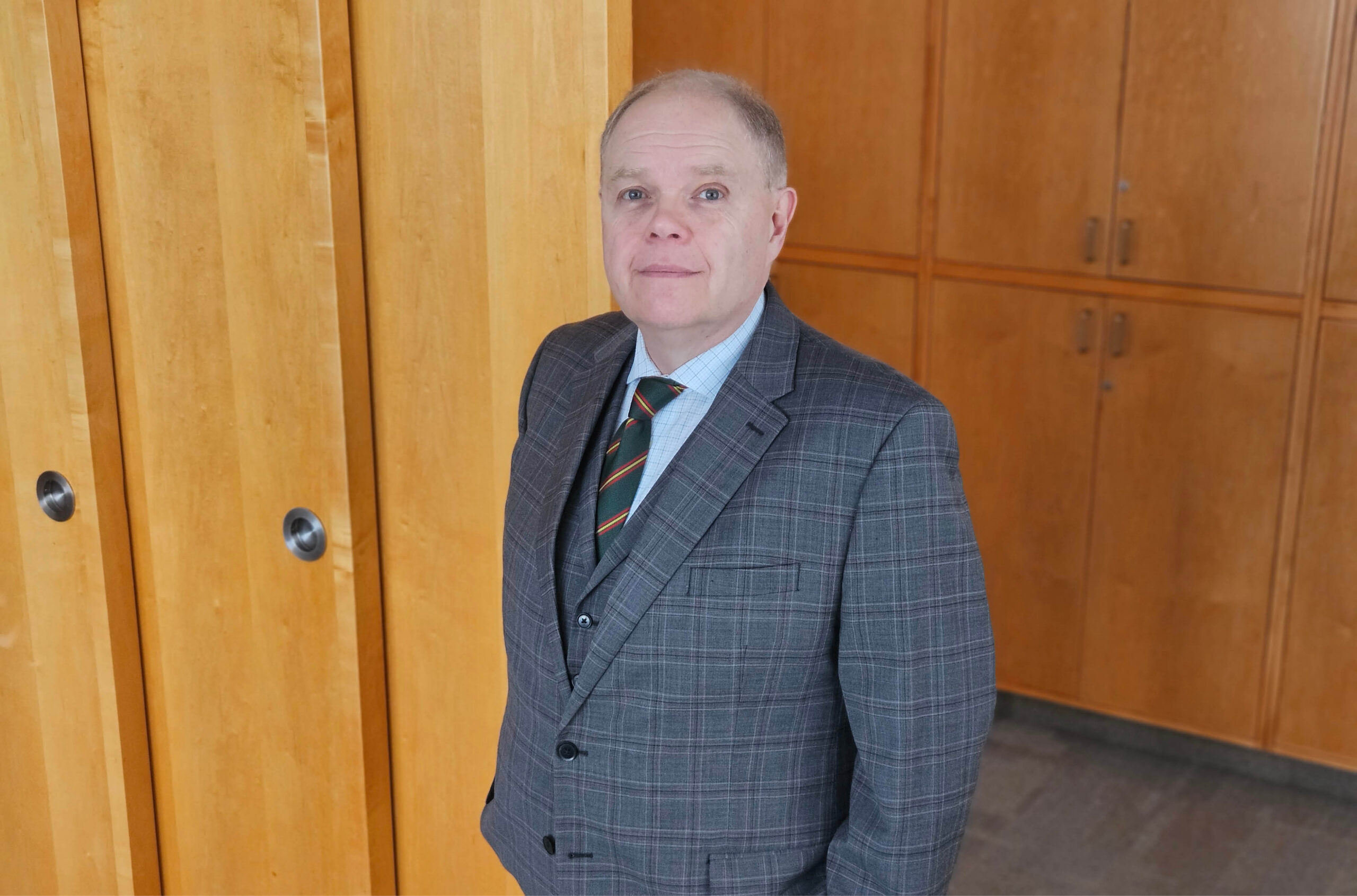
Meet Kevin McCormick, Founding President of the Canadian Institute for Human Rights and Global Health
Bringing capacity to global engagement.
-

From business journalism to entrepreneurial support
A Moroccan BCDI 2030 Scholar committed to empowering women entrepreneurs.
-

Recognizing the importance of platform scientists
Raising awareness of these lesser-known members of the academic community and their pivotal role in scientific innovation.
-

Is it time for mandatory mental health training for university students in Canada?
Despite efforts to address student mental health, services are not meeting needs.
-

Leveraging our research excellence
Understanding the complexities of commercializing curiosity-driven research.
-

How a Luddite learned to like teaching online
Looking back at the pitfalls and rewards of teaching on Zoom four years after the pandemic.
-

From flipped classroom to flipped thesis: A model for engaged graduate student research
Building stakeholder partnerships from the beginning of a thesis project is a great way to inspire meaningful knowledge mobilization from student research.
-

How faculty development can be supported in the age of AI
Institutions need to identify what the professoriate needs in order to use new technologies wisely.
-

International students as problems and solutions
Shifting narratives in Canada’s international education and immigration landscape.
-

The Tri-Councils have a carbon offset policy. Should they?
The policy encourages scholars to reduce the climate footprint associated with their research activities.
-

My attempts to “crip” academia
Navigating academia with invisible disabilities.
-

Equity and academic programming: beyond simply an additive approach
Why Canadian universities need to think more holistically to effectively integrate more robust forms of equity.