-

Faculty well-being in the age of GenAI
When every student has an AI assistant, the writing teacher's job becomes both harder and more essential.
-

Science in French? Bien sûr!
As English dominates the publication landscape, support for French-language research is a strategic investment in the quality, equity and the future of knowledge.
-

Why Canadian academics shouldn’t boycott U.S. conferences
Show up in person and do good trouble instead.
-

It Takes a Village
University presidents require longer time in office and broad support from within and outside their institutions to confront today’s biggest challenges.
Sponsored Content
-

MDPI Toronto Summit 2026: Bringing together leaders to shape the future of scholarly publishing
Highlights, key discussions, and insights from two days of collaboration, innovation, and open dialogue across leaders within the global research community.
-

Meet Kevin McCormick, Founding President of the Canadian Institute for Human Rights and Global Health
Bringing capacity to global engagement.
-

From business journalism to entrepreneurial support
A Moroccan BCDI 2030 Scholar committed to empowering women entrepreneurs.
-

When misconduct disappears into university bureaucracy
Universities have procedures for misconduct, but too often lack the governance structures needed to see the patterns that emerge across sectors.
-
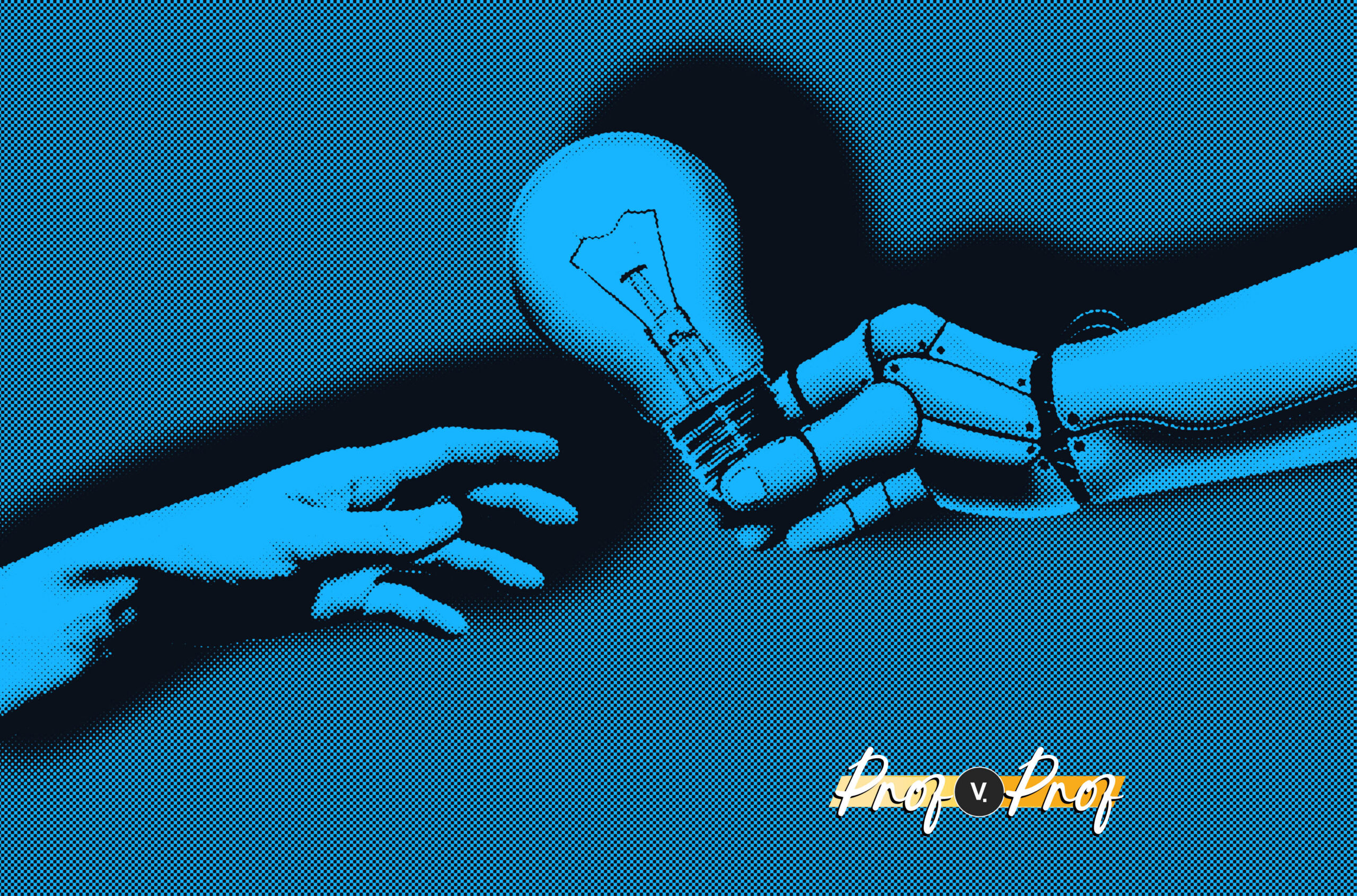
AI in universities: the case in favour
Joël Blit argues integrating AI into curricula and pedagogy can make universities more human, not less.
-
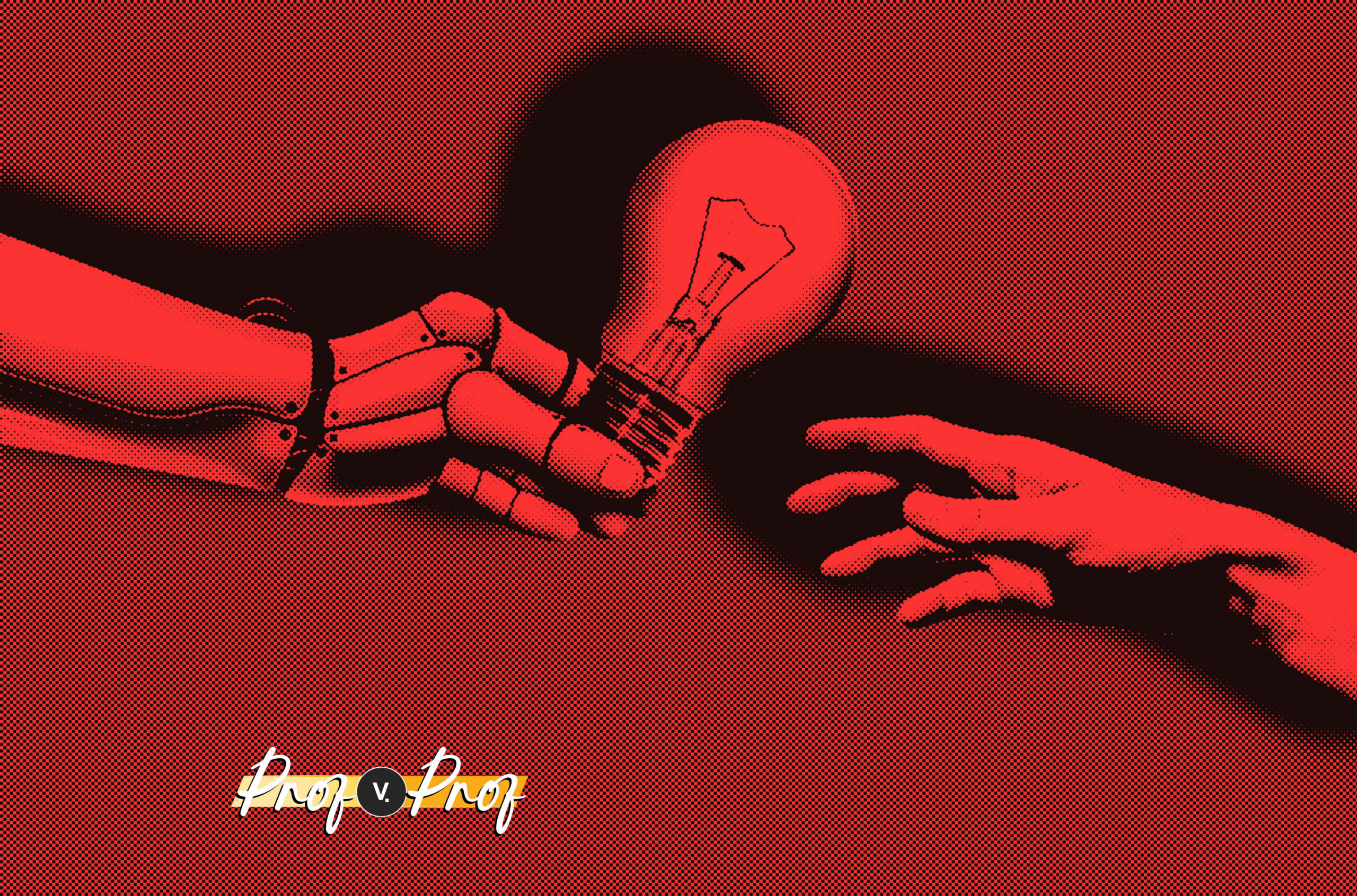
AI in universities: the case against
Ping Lam Ip and Andrea DeKeseredy argue generative artificial intelligence has no place in higher education.
-

Universities participating in Canadian militarization: the case against
Henry A. Giroux argues that the militarization of Canadian universities threatens to transform institutions devoted to critical inquiry and democratic life into extensions of the warfare state.
-

Canadian universities and the new defence imperative: the case in favour
Martin Maltais argues that Canadian universities must play a greater role in strengthening the country’s defence capacity while preserving academic freedom and scientific independence.
-

Canada needs a national strategy to protect scholars at risk
Supporting displaced academics is a strategic investment in Canada's research and innovation ecosystem.
-

EDI in admissions and hiring: the case against
Yves Gingras argues that ‘equity, diversity and inclusion’ bureaucrats are practicing the art of intellectual confusion.
-

EDI in admissions and hiring: the case in favour
Malinda S. Smith argues that equity strengthens excellence in university hiring and admissions.
-

Institutional neutrality: the case against
Jennifer S. Simpson argues that universities must eschew neutrality to advance democracy, ethics and the public good.
-

Institutional neutrality: the case in favour
Mark Mercer argues that the academic ethos requires universities to remain neutral on issues of the day.