-

Faculty well-being in the age of GenAI
When every student has an AI assistant, the writing teacher's job becomes both harder and more essential.
-
It Takes a Village
University presidents require longer time in office and broad support from within and outside their institutions to confront today’s biggest challenges.
-

Gen Z meets genAI
We are the first generation to learn alongside AI. What do we owe the next?
-

Canada’s sovereignty is being tested
As Canada faces mounting pressure from the United States, an Indigenous-led exhibition at the Gwangju Biennale offers a timely way to think about conflict, responsibility and the choices ahead.
Sponsored Content
-

MDPI and ReSMiQ Bring Together Canada’s Engineering Research Community at Montréal Workshop
MDPI and ReSMiQ brought nearly 100 researchers, students and industry professionals together in Montréal to explore advances in microelectronics, microsystems and sensor technologies.
-

MDPI Toronto Summit 2026: Bringing together leaders to shape the future of scholarly publishing
Highlights, key discussions, and insights from two days of collaboration, innovation, and open dialogue across leaders within the global research community.
-
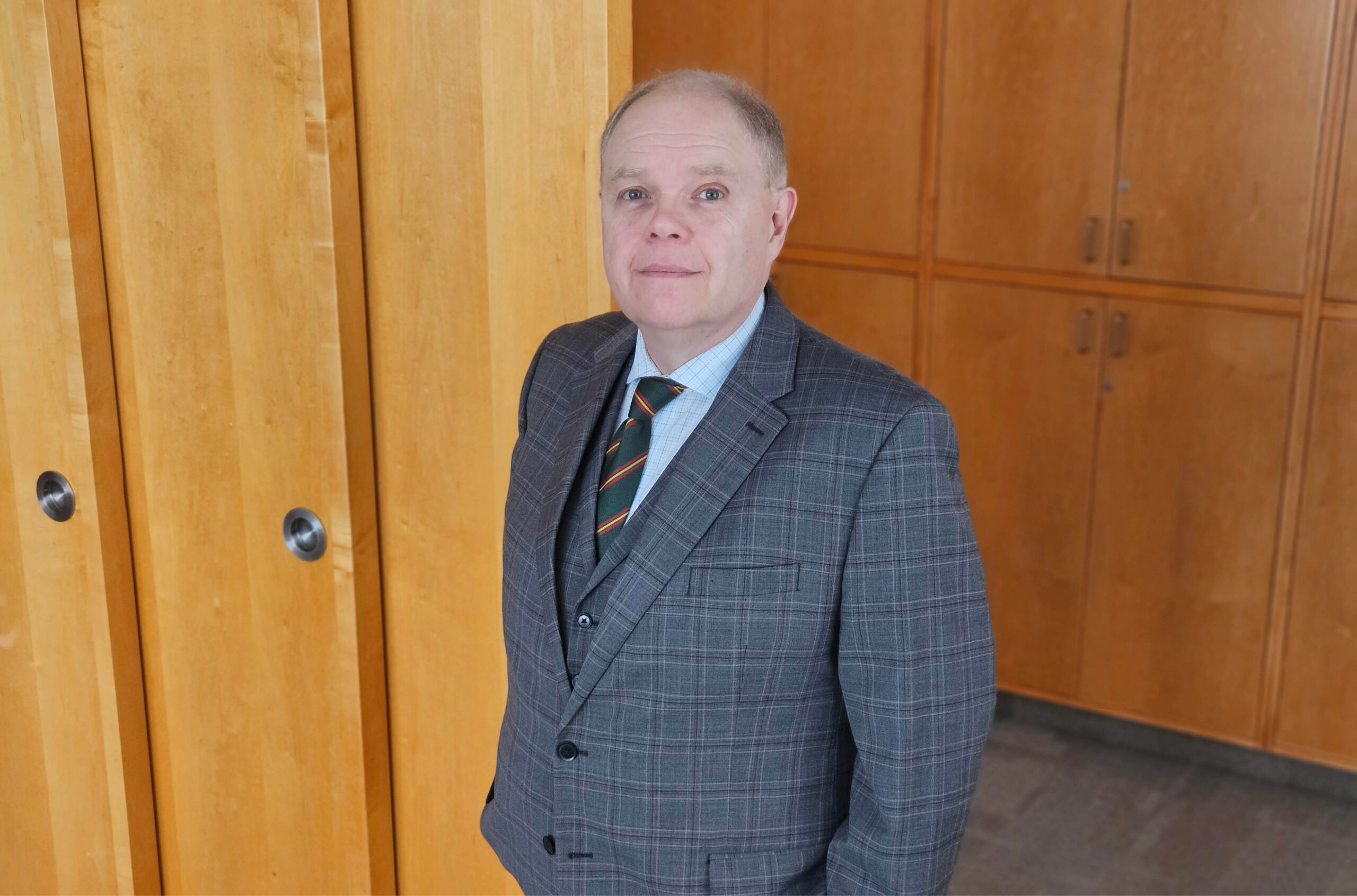
Meet Kevin McCormick, Founding President of the Canadian Institute for Human Rights and Global Health
Bringing capacity to global engagement.
-

Institutional neutrality: the case in favour
Mark Mercer argues that the academic ethos requires universities to remain neutral on issues of the day.
-

Aligning curricula with the workforce: the case against
Mazen Guirguis argues that the university should return to its Socratic roots.
-

Aligning curricula with the workforce: the case in favour
Matthew McKean and Valerie Walker argue that students aren't choosing between learning and work, so why should universities?
-

Why some people succeed at university without being the ‘top students’
How to help students navigate the unwritten rules of the academy.
-

When collegiality breeds contempt
As academics compete for scarce resources, collective decision-making can lead to abuse — but that’s no reason to dismantle the system.
-

Feeling disillusioned? The Pope is on your side
Pope Leo XIV’s encyclical on AI has much to say about the culture of profit, technocracy and competition pervading today’s universities.
-

From research to impact: How graduates transform society
A Université Laval study shows that most research-trained graduates contribute to innovation and act as catalysts for societal change.
-
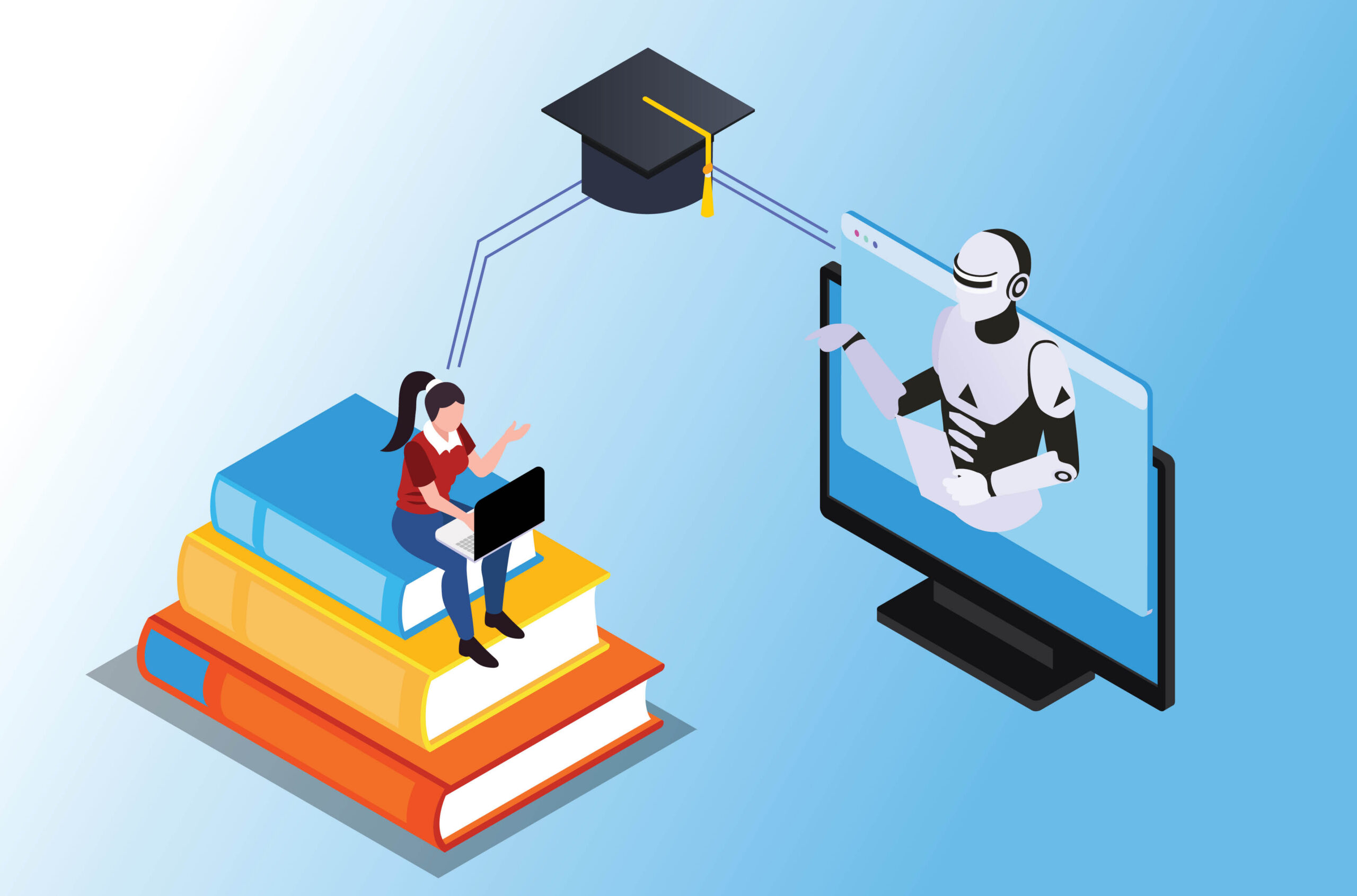
The race to reimagine higher education
How Canadian universities can lead the AI transformation.
-
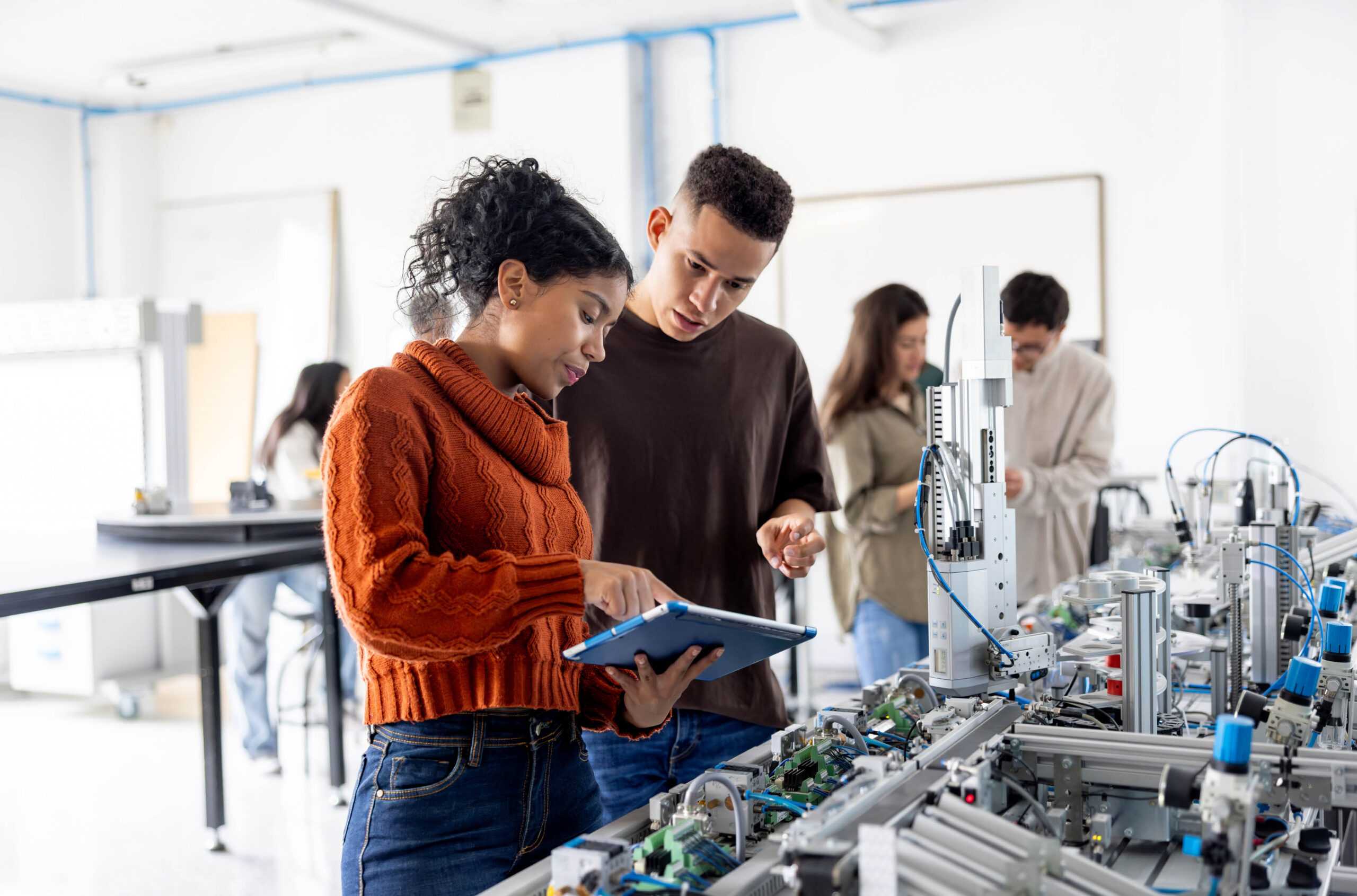
Training graduate students in research means investing in the future
Graduate research training shapes the thinkers, innovators and engaged citizens our society needs to address the defining challenges of the 21st century.
-

Science must become a pillar of Canadian foreign policy
With technological developments reshaping global governance, science cannot remain isolated from international relations.