-
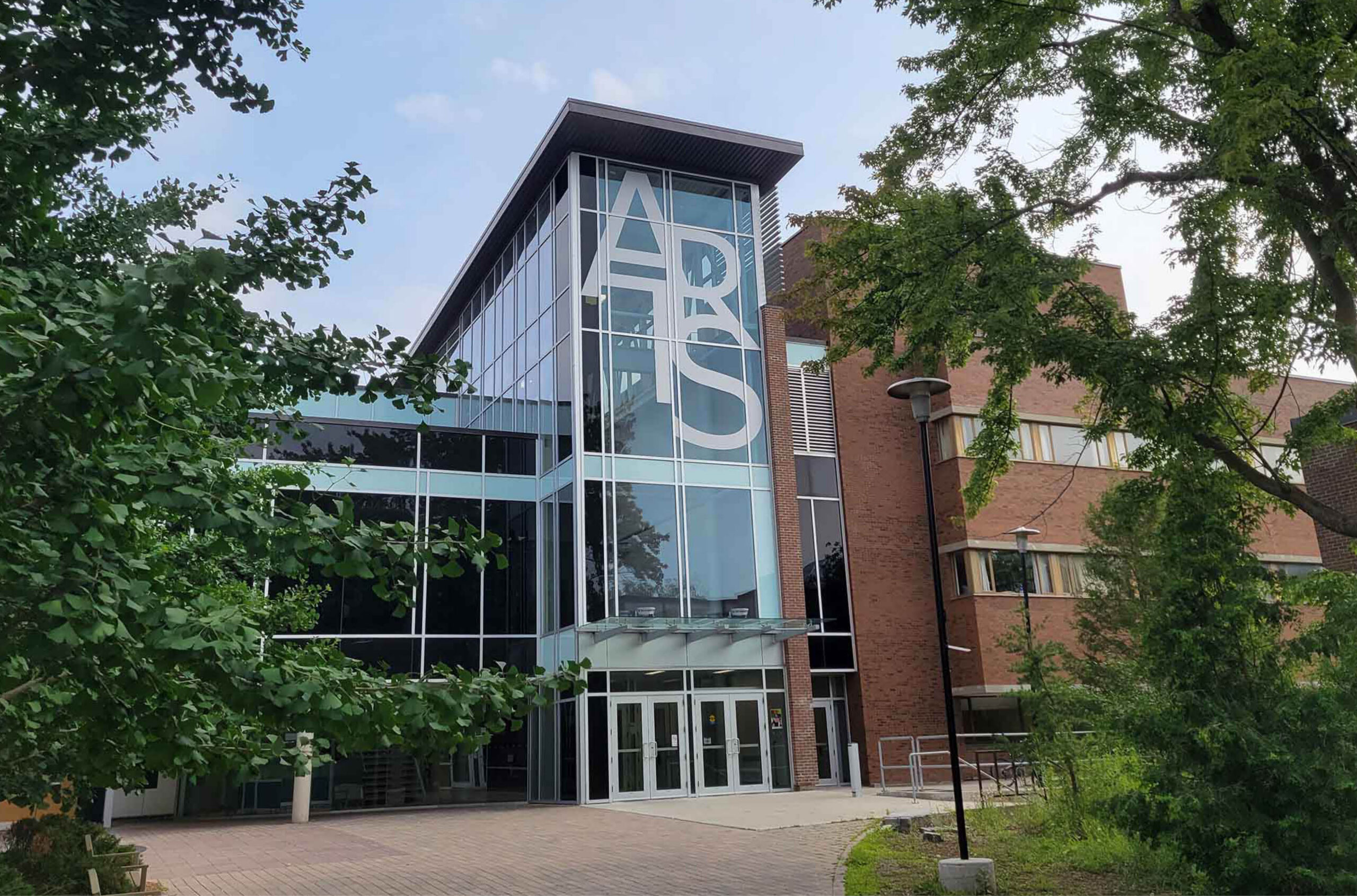
Building resilience in Arts through interdisciplinary collaborations
In a technology-enabled future, Arts faculties have an opportunity to demonstrate their relevance by making collaboration across disciplines easier and more visible.
-

Rebuilding Jewish students’ trust in universities
As students return to campus, discussions of the Middle East conflict deserve a scholarly, responsible and robust treatment that recognizes antisemitism in all its forms.
-

Mandatory retirement: the case against
Joe Norris argues that forcing academics to retire is a form of systemic violence.
-

Mandatory retirement: the case in favour
Jamie Paris argues that guaranteed employment for life skews the age balance of the professorate while enabling the exploitation of early- and mid-career scholars.
Sponsored Content
-

MDPI Toronto Summit 2026: Bringing together leaders to shape the future of scholarly publishing
Highlights, key discussions, and insights from two days of collaboration, innovation, and open dialogue across leaders within the global research community.
-

Meet Kevin McCormick, Founding President of the Canadian Institute for Human Rights and Global Health
Bringing capacity to global engagement.
-

From business journalism to entrepreneurial support
A Moroccan BCDI 2030 Scholar committed to empowering women entrepreneurs.
-

UBC student mobilizes climate advocacy to drive change
Sadie Vipond, a plaintiff in the country’s landmark youth climate lawsuit, is urging universities to prepare students to meet the realities of a warming world.
-

It’s time for philosophy to regain its rightful place
With an influence that extends to nearly every intellectual domain, philosophy is indispensable to the mission of a university.
-

Getting research out of the lab: supporting the “Third Mission” of Canadian universities
Nationally consistent express licences can unlock untapped value in Canadian universities.
-

Universities must steer AI in the public interest
TMU provost calls for collective effort to apply ethics, human good to AI governance.
-

What are universities really for and why does it matter now?
A review of Knowledge Under Siege: Charting a Future for Universities, University of Regina Press, 2026.
-

Curiosity over canon
The benefits of research beyond methodological silos.
-

What do universities owe the public?
Institutions of higher learning exist to serve the needs of society, from global to local.
-

Beyond protection?
The impact of ethics sprawl on researchers at Canadian universities.
-

Why should academic freedom protect ineffective teaching?
The status quo is in desperate need of change.
-

Quebec launches network of reseach chairs in science diplomacy
Acting in the roles of diplomats and advisors, scientists can help solve pressing world problems, argues Quebec Chief Scientist Rémi Quirion.