-

It Takes a Village
University presidents require longer time in office and broad support from within and outside their institutions to confront today’s biggest challenges.
-
AI in universities: the case in favour
Joël Blit argues integrating AI into curricula and pedagogy can make universities more human, not less.
-
AI in universities: the case against
Ping Lam Ip and Andrea DeKeseredy argue generative artificial intelligence has no place in higher education.
-

Universities participating in Canadian militarization: the case against
Henry A. Giroux argues that the militarization of Canadian universities threatens to transform institutions devoted to critical inquiry and democratic life into extensions of the warfare state.
Sponsored Content
-

MDPI Toronto Summit 2026: Bringing together leaders to shape the future of scholarly publishing
Highlights, key discussions, and insights from two days of collaboration, innovation, and open dialogue across leaders within the global research community.
-
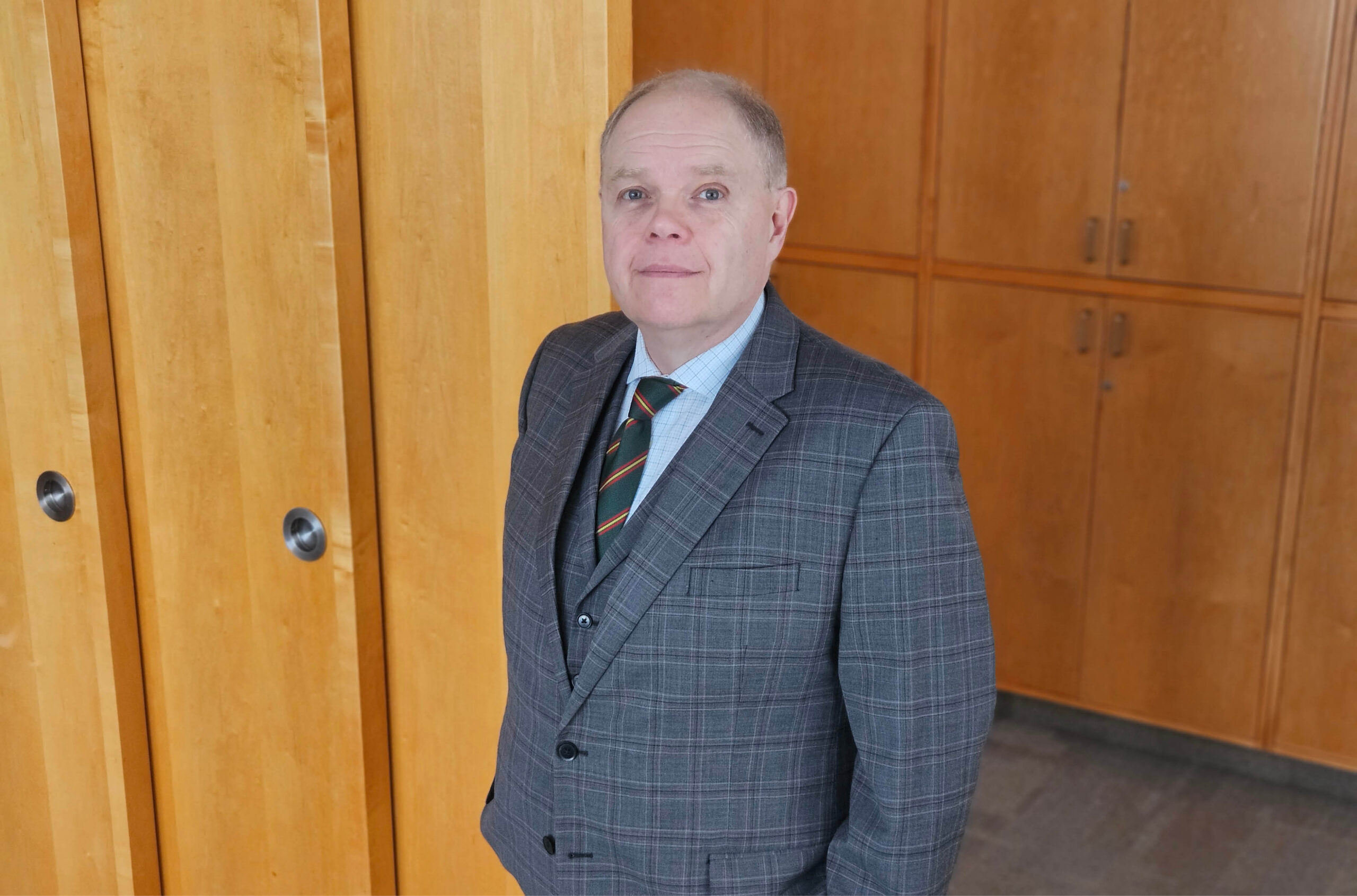
Meet Kevin McCormick, Founding President of the Canadian Institute for Human Rights and Global Health
Bringing capacity to global engagement.
-

From business journalism to entrepreneurial support
A Moroccan BCDI 2030 Scholar committed to empowering women entrepreneurs.
-

Universities are beacons of knowledge lighting Canada’s path to a sustainable future
Steven Guilbeault reflects on Canada’s environmental pressures and the role higher education plays in shaping sustainable solutions.
-

Adopting AI is a social contract
Integrating artificial intelligence into our societies and personal lives binds us to certain futures and forecloses the possibility of others. Are we ready to accept the consequences?
-

Research VPs empower discovery
An impressive list of women are leading research at universities across the country.
-
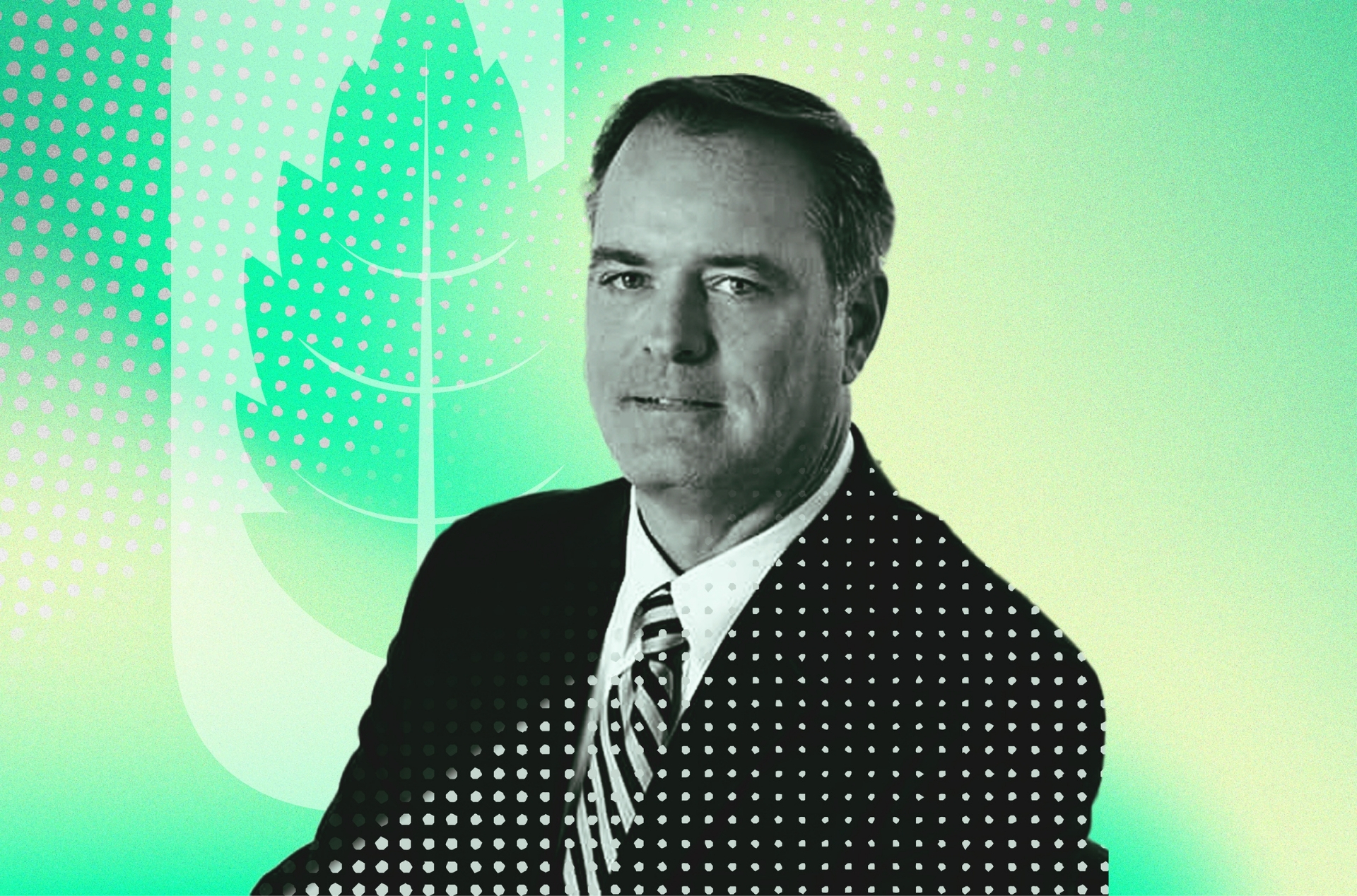
Universities have a critical role to play in the fight against “forever chemicals”
As PFAS contamination spreads, universities must champion interdisciplinary learning, ethical reform and community partnerships, says Robert Bilott, the attorney at the center of Dark Waters.
-

GenAI is in — so why are we still burnt out?
Will generative artificial intelligence end up diminishing, or increasing, researchers' workloads?
-

Rethinking the role of higher education in an AI-integrated world
Mark Daley, Chief Artificial Intelligence Officer at Western University, reflects on the role of universities in a world where intelligence is abundant.
-
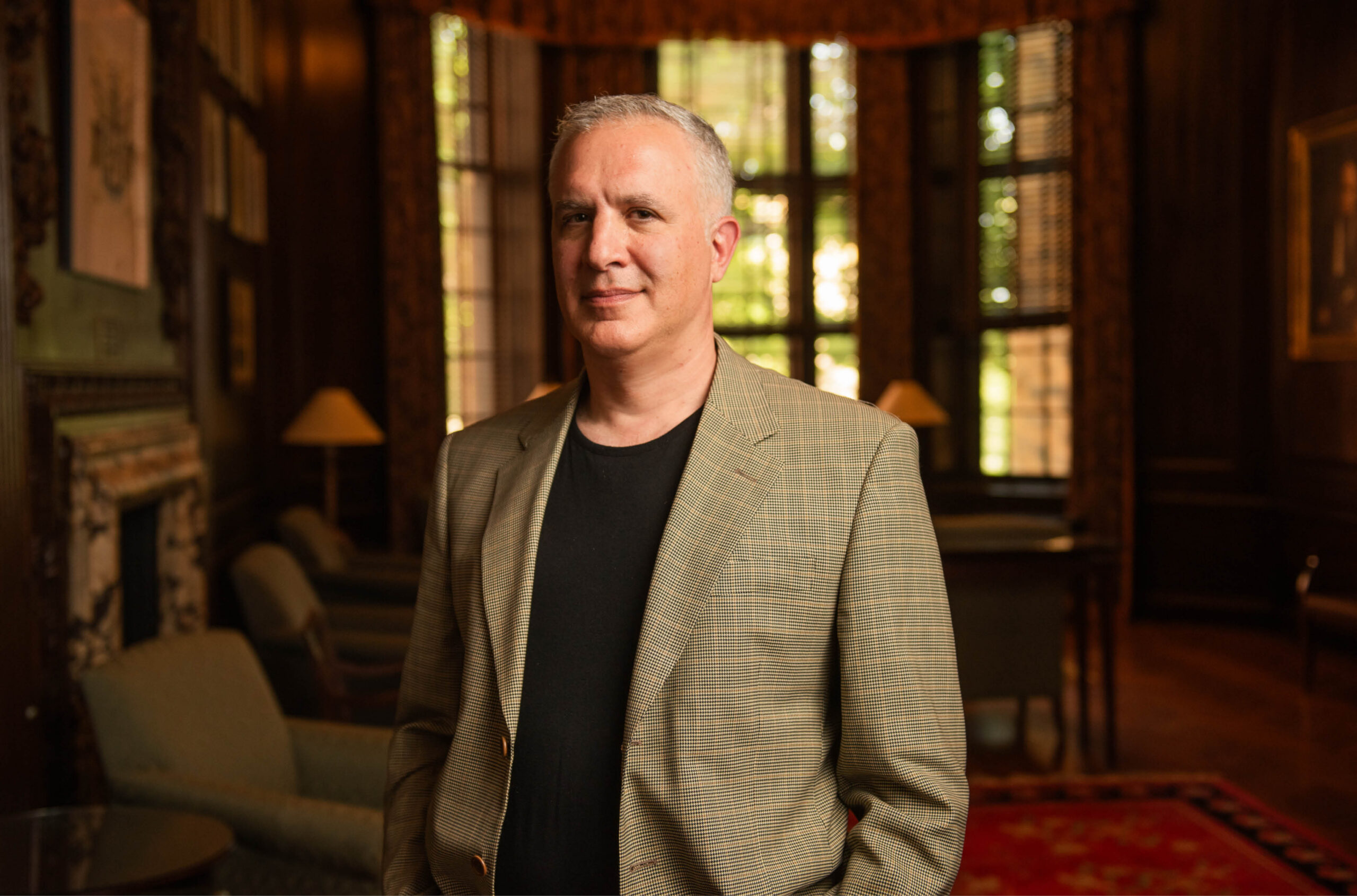
Recalibrating Canadian universities to meet the Mark (Carney)
How university leadership can better support Canadian innovation and economic growth.
-
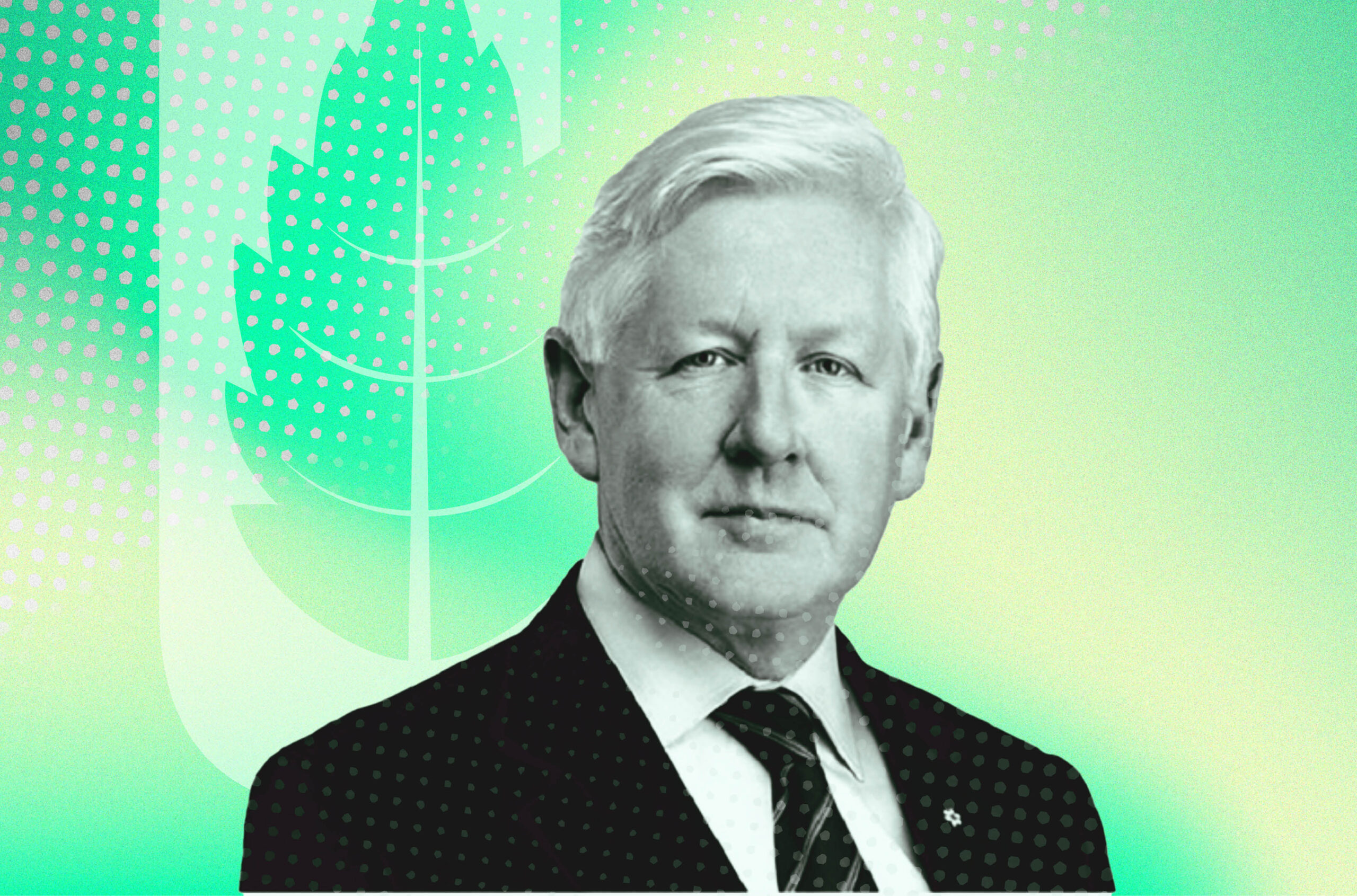
Bob Rae urges universities to remain climate-change leaders
In a volatile world, universities form bulwarks of scientific integrity and technological development, says former U.N. ambassador.
-
The Campus Green
University Affairs launches new sustainability column.
-

Defending the Academy
Current challenges offer opportunity to reassert our public purpose.