-

When collegiality breeds contempt
As academics compete for scarce resources, collective decision-making can lead to abuse — but that’s no reason to dismantle the system.
-
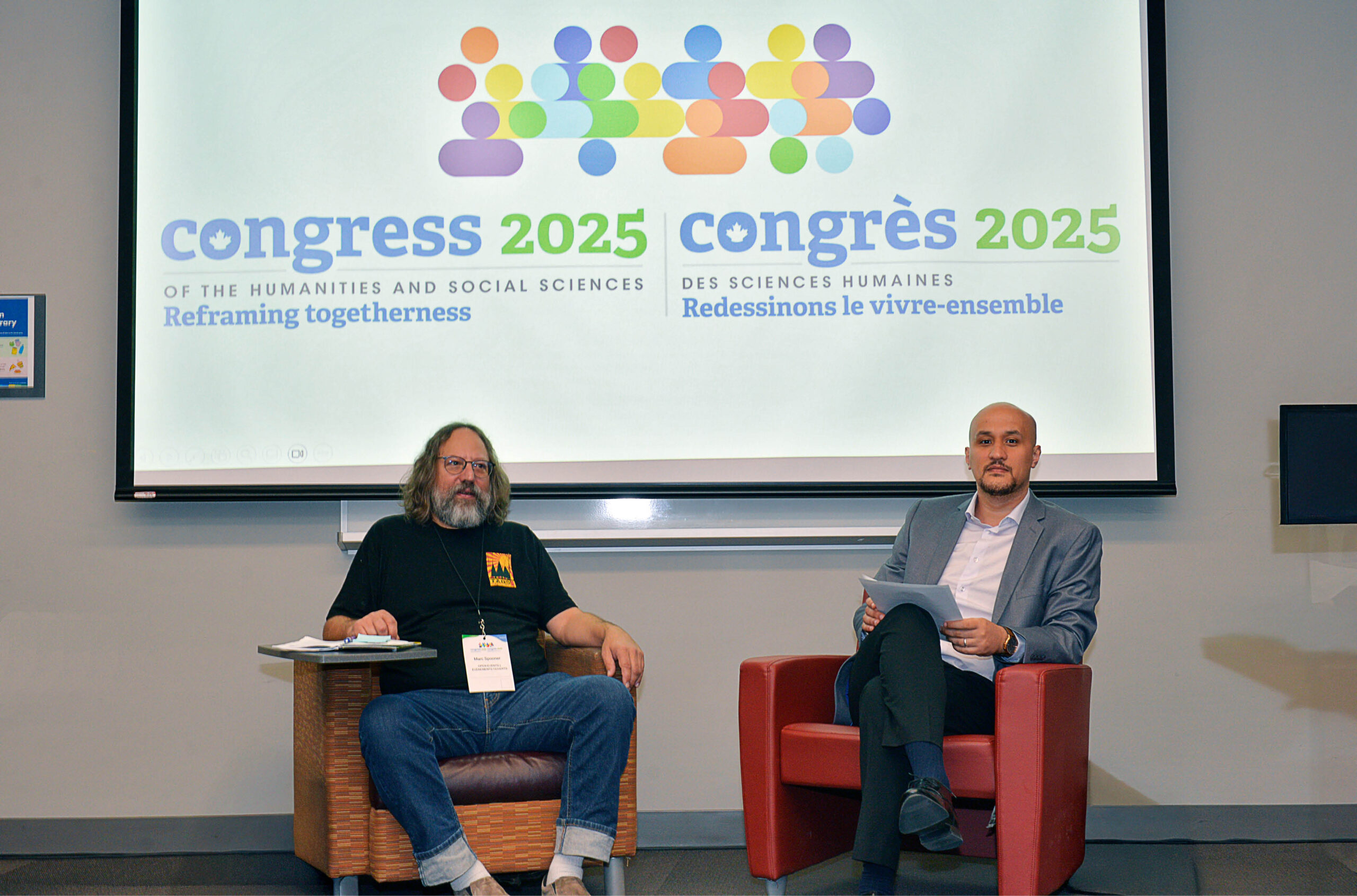
Cancelling in-person Congress wounds humanities research
Budget squeeze and logistical complexities leave the century-old conference without a host.
-

No student is an island
Improving the collective environment benefits students’ mental health.
-

Status hunt drives U.S. recruitment
Prestigious American universities have long exerted a gravitational pull on Canadian academia.
Sponsored Content
-

MDPI Toronto Summit 2026: Bringing together leaders to shape the future of scholarly publishing
Highlights, key discussions, and insights from two days of collaboration, innovation, and open dialogue across leaders within the global research community.
-

Meet Kevin McCormick, Founding President of the Canadian Institute for Human Rights and Global Health
Bringing capacity to global engagement.
-

From business journalism to entrepreneurial support
A Moroccan BCDI 2030 Scholar committed to empowering women entrepreneurs.
-

Black excellence fatigue: seeing it and doing something about it
While celebrating the achievements of Black colleagues is important, we need to acknowledge that it can also be exhausting and even harmful.
-

Can lower tuition fees grow a population?
The results of a recent study suggest it hasn’t worked for Newfoundland and Labrador.
-

Early-career professors want changes in how tenure is evaluated in wake of pandemic effects on productivity
Researchers in a survey said they don’t want to delay their tenure review but have the criteria for it shift.
-

Wasting time and money through ineffective evaluation
We need to start thinking about why a process exists and whether the proposed mechanism actually achieves that goal.
-

Online learning: confusions, conflations, and conundrums
Let’s make sure these mediated formats really are about facilitating students’ learning and procedural knowledge construction.
-

An update on the renaming of Ryerson University
The work of equity asks leaders to support movement toward justice, even when we cannot always foresee or predict the path forward.
-

Canadian universities are quietly being repurposed
It is difficult to see performance-based funding as anything but an ideologically based attempt to redesign the fundamental mission of our universities.
-

How administrative ambiguity and devaluating language hurts Canadian postdocs
Redefining how university and institutional administrations see this vulnerable population of highly skilled workers is an important first step toward countering inequity and mending the gender gap in academia.
-

How a business administration partner can deliver ‘stratactical’ value across an organization
No matter how big the organization or company is, the executive team needs to empower this role.
-

Lessons from Iran: when academic freedom is undermined, fear reigns
A physicist who now works in Canada recounts being arbitrarily fired from his teaching position in Tehran.