

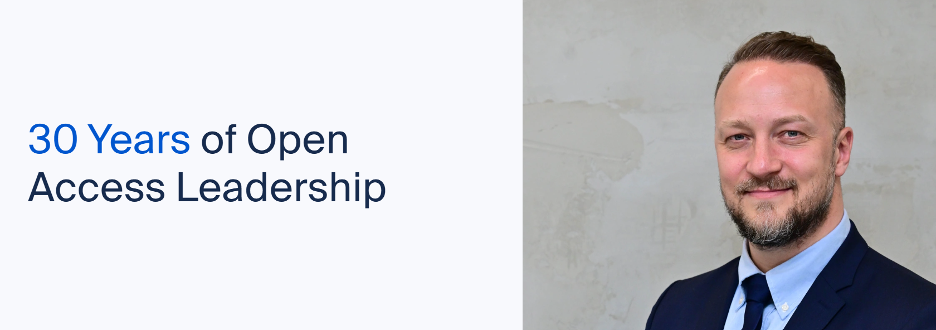
During the MDPI Toronto Summit 2026, held on 9–10 July 2026, Stefan Tochev, CEO of MDPI, addressed an audience of over 30 leading voices in scholarly publishing, including Editors-in-Chief, Editorial Board Members, distinguished researchers, and institutional representatives from across North America. In this conversation, Stefan reflects on the evolving landscape of academic publishing, the growing role of Open Access in Canada, the importance of research integrity and transparency, and how publishers can strengthen meaningful collaborations with researchers and institutions to advance the future of scholarly communication.
Q1: What considerations do you believe influence the Canadian research community when evaluating publishing options?
Feedback from our editorial community in Canada tells us that researchers place a particularly high value on rigorous peer review, editorial independence and transparency, and rapid publications times. These publication pillars are central to our strategy and the services we offer in Canada and beyond. As Canada’s research ecosystem continues to embrace open science, publishers are expected to provide not only high-quality editorial services but also clear publishing policies, transparent publishing practices, and support for compliance with evolving funder requirements. It is for that reason we have, for example, invested so heavily in our integrity teams in the last two years. Equally, MDPI has begun deploying technological safeguards to strengthen research integrity, including the rollout of its AI-powered integrity tool, Ethicality, across the submission process, while also actively participating in cross-industry initiatives such as the STM Integrity Hub.
Q2: Which research disciplines in Canada are showing the strongest momentum in Open Access publishing?
Open access publishing has seen particularly strong uptake in Canada’s health and medical sciences, largely driven by funder mandates and policies. Emerging areas such as artificial intelligence (AI), machine learning and data sciences have seen rapid growth in Open Access publishing. Canada has expanded its Open Access policy, with Open Access publications now accounting for 50% of the country’s research output—double the share recorded a decade ago.
Q3: How are recent Open Access policy developments in Canada shaping researchers’ publishing priorities?
Canada has been a long-standing supporter of open access, so it is pleasing to see that the updated Tri-Agency requirements are moving toward immediate Open Access for publicly funded research projects. What we expect to see is researchers prioritizing publishing services that both match funders mandates, while offering robust services and guarantee high impact and visibility.
Such recent policy developments have stimulated the demand for journals to offer immediate Open Access options and efficient publication workflows. At the same time, ongoing discussions regarding research funding and sustainable publishing services means the market will continue to be competitive, which in our view is a good thing. Competition drives innovation, higher standards, better services, and greater efficiency. Ultimately, this creates a stronger (and fairer) publishing ecosystem that benefits researchers and advances scientific discovery.
Q4: How are researchers and institutions navigating Open Access publishing costs and is the current model working?
Researchers and Institutions in Canada are navigating Open Access publishing costs, including author fees, through a combination of Read-and-Publish (R&P) agreements, transformative agreements (TAs), institutional funding and library-supported programs. National organizations like the Canadian Research Knowledge Network (CRKN) have played a pivotal role in negotiating agreements to reduce or eliminate author fees for eligible authors.
While these models have improved access to Open Access publishing, there are continued questions about its sustainability. Many institutions are facing competing pressures to support research activities and/or pedagogical priorities. Finding the balance to both allocate sufficient resources to support normal operations and cover author fees is becoming more complex.
Institutions are seeking more flexible and transparent partnerships to help reduce financial barriers for researchers. Partnership programs such as MDPI’s Institutional Open Access Program (IOAP), can help break down these barriers by providing author fee discounts and centralized support for Open Access publishing. Flexible partnership models that can be tailored to an institution’s specific publishing needs complement existing funding mechanisms, helping institutions expand Open Access participation while managing budgetary constraints.
Q5: Looking ahead, what emerging trends will have the greatest impact on Canadian scholarly publishing in the next few of years?
There are several trends that are likely to impact Canada’s academic publishing landscape in the short term.
To move toward full Open Access publishing is expected to accelerate, for example. Directives from institutions and funders, alongside broader support from the scholars, make this increasingly likely.
Beyond that, listing author fees as a research expense has been recommended for research grant applications for many years. We have seen more funding agencies and institutions encouraging researchers to include publication costs as dedicated line items in their grant applications. This will ensure that researchers have sufficient resources to disseminate their research findings without compromising their operations budget.
There are on-going discussions around Diamond Open Access, where neither the authors nor the reader pay for the publication fees. Community-supported options and other sustainable publishing models beyond Gold open access will of course continue to be part of the conversation in the near future.
Q6: What initiatives or approaches could further enhance MDPI’s engagement and impact within the Canadian research community?
At MDPI, we believe that meaningful engagement with the Canadian research community comes from building strong, lasting relationships with researchers, editors, institutions, and scholarly societies. Globally, that is being reflected in the feedback we receive. In our most recent author survey, for example, 96% of respondent rated their overall experience with us excellent or good.
Through our Toronto and Philadelphia offices, we have developed a broad range of outreach initiatives across North America that strengthen our presence within the academic community and create valuable opportunities for collaboration. These initiatives include sponsoring academic conferences, hosting Academic Publishing Workshops for early career researchers, organizing Editor Salons, and bringing together leaders from across the region at our North American Summits. These events allow us to better understand the evolving needs of the research community and gather feedback from our stakeholders.
A key differentiator for MDPI is our commitment to personalized engagement with our editors. We regularly conduct one-on-one onboarding sessions and ongoing check-ins to ensure editors feel supported throughout their journey with MDPI. This hands-on approach fosters strong partnerships and open communication and reflects our commitment to providing a level of editorial support that is uncommon within the publishing industry.
By continuing to invest in these outreach activities, we can support researchers more effectively, increase awareness of open access publishing and contribute to the continued growth and impact of scholarly research across North America.
MDPI Toronto Summit

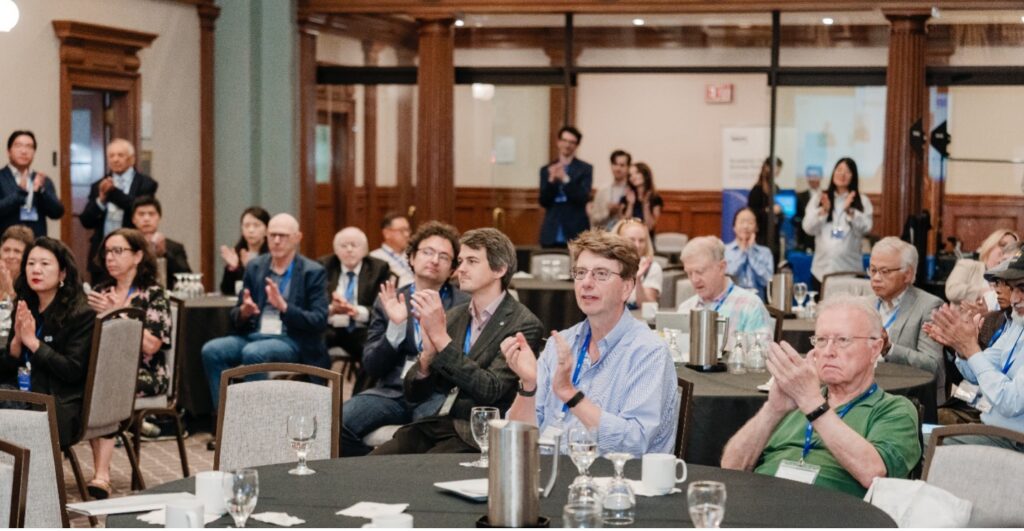
Building on MDPI’s mission to support and connect the research community, the Summit recently hosted by MDPI in the heart of Toronto this past July 9-10th, 2026, provided a valuable opportunity for over 30 editors, researchers, and academic leaders across varying journals to come together, share perspectives, and explore the future of academic publishing. Following the success of this year’s Toronto Summit, MDPI looks forward to expanding these initiatives through future Summits, Salons, and Subject Workshops across North America and beyond. By bringing together members of the research and publishing communities, these events will continue to foster meaningful conversations and strengthen connections that support the future of scholarly communication.
To discover more about upcoming MDPI events, initiatives, and opportunities to engage with the research community, visit: https://canada.mdpi.com/news-and-events.

More Sponsored Content
-
How MDPI’s Subject Workshops Can Empower Researchers
MDPI highlights the role of scientific exchange, interdisciplinary dialogue, and stronger research networks in advancing open science through their Subject Workshop events. MDPI Canada's upcoming Geosciences Subject Workshop on November 27 in Toronto is their next opportunity to collaborate.
-

MDPI and ReSMiQ Bring Together Canada’s Engineering Research Community at Montréal Workshop
MDPI and ReSMiQ brought nearly 100 researchers, students and industry professionals together in Montréal to explore advances in microelectronics, microsystems and sensor technologies.
-
MDPI Toronto Summit 2026: Bringing together leaders to shape the future of scholarly publishing
Highlights, key discussions, and insights from two days of collaboration, innovation, and open dialogue across leaders within the global research community.
-

Meet Kevin McCormick, Founding President of the Canadian Institute for Human Rights and Global Health
Bringing capacity to global engagement.


Post a comment
University Affairs moderates all comments according to the following guidelines. If approved, comments generally appear within one business day. We may republish particularly insightful remarks in our print edition or elsewhere.