The hidden problem of student homelessness
As high rents push more students into precarious housing, it's time to stop romanticizing the 'poor scholar'.

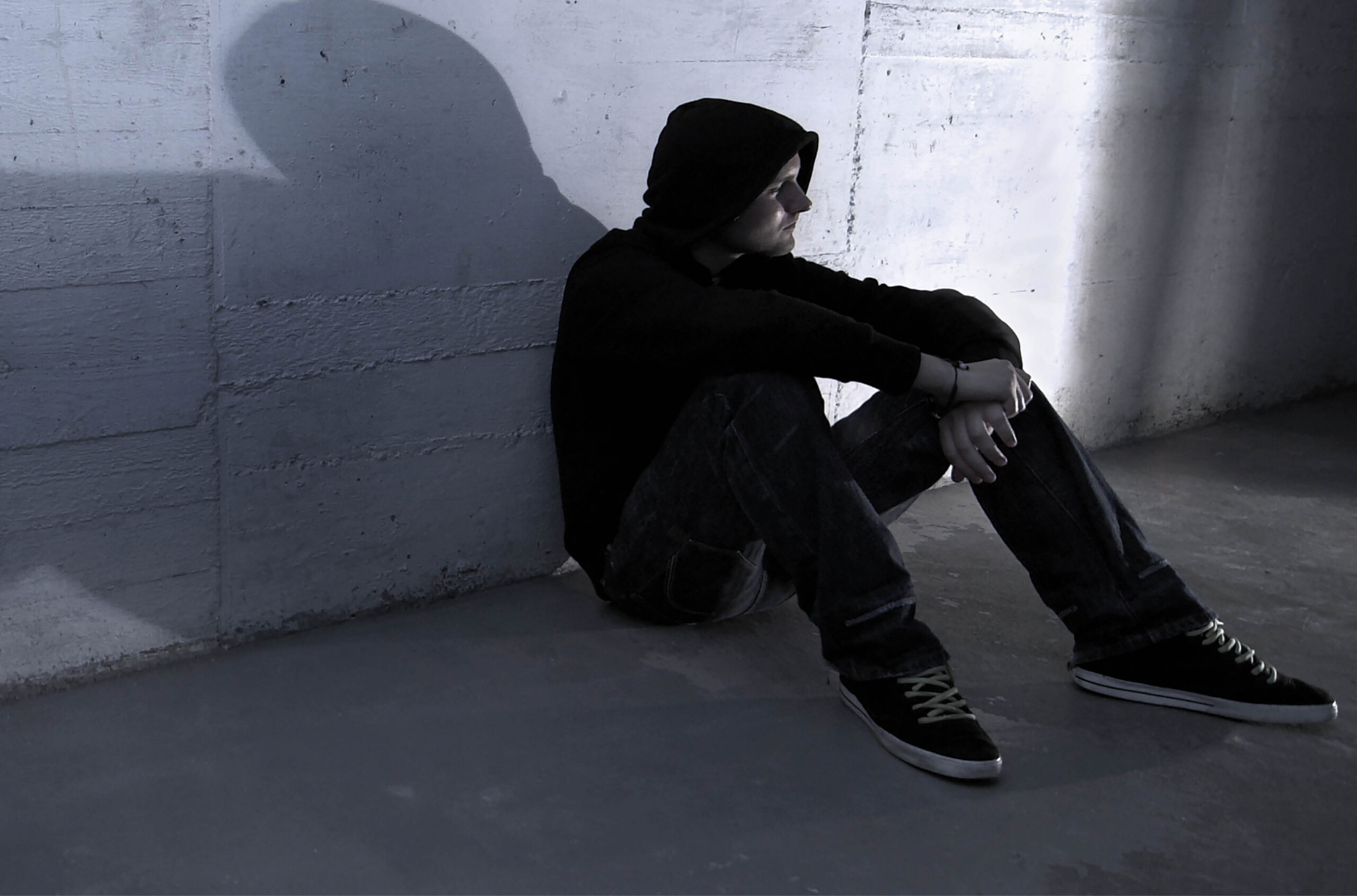
*Name has been changed to protect anonymity.
After completing a degree at Nova Scotia Community College under difficult circumstances in 2024, Maria* was forced to give up on her dream of pursuing further education. “I had to move four times in 2023, jumping from one sublet to another because it was all I could afford,” she said.
After escaping a landlord’s sexual advances, a violent roommate and a bad experience in residence, Maria decided to live and study in her car. “I used to wake up very early, get something to eat and then go to college. I would stay there as late as possible to put off going back to the car.” She was homeless from ages 17 to 21.
Her dream of becoming a teacher was derailed by a rental market that shuts out people under 21 without a credit history or a parent to co-sign. “No one excels when they’re in distress. If I had felt safe in a normal apartment, I would have done well in school for the first time in my life.”
An alarming nationwide trend
Researchers have identified cases like these across the country. A 2025 study by the Post-Secondary Student Homeless/Housing Research Network (PSSHRN) found that as many as one in four students in Canada may experience some form of homelessness or housing instability at some point during their university career.
More specifically, at the time of the study, “preliminary data indicates that about 3.5 per cent of students, or almost 70,000 people nationwide, are experiencing homelessness,” said Eric Weissman, principal investigator at the PSSHRN and the director of the study, Post-Secondary Student Homelessness in Canada: Informing Prevention Through Qualitative Analysis.
READ MORE: Researching solutions to the growing “tragedy of homelessness” – University Affairs
The study, which is considered one the most comprehensive on the subject to date, looked at six institutions across Canada: the University of Alberta, Red Deer Polytechnic (RDP), Nova Scotia Community College, the University of New Brunswick, Lakehead University and the University of British Columbia.
“The most common cause (36 per cent of cases) is loss of a job or of existing housing, which then forces students to choose between continuing their studies and looking for a place to live,” said Dr. Weissman. “Some finish their degrees by sleeping in their cars, camping out, or living in precarious situations, which compromises their academic performance.” Other causes of homelessness include domestic conflict or violence (27 per cent) and unsafe or unsanitary accommodations (14 per cent).
Types of homelessness experienced
The research team conducted interviews with 65 students who had experienced homelessness and 54 university staff members. Women, racialized groups and 2SLGBTQ+ students between the ages of 19 and 30 were disproportionately represented. The academic consequences of homelessness were devastating: nearly 70 per cent of affected students dropped out of their programs.
Dr. Weissman explained what led him to study this phenomenon. “While teaching at RDP in 2017, I noticed a lot of students were knocking on my door and sharing their challenges. Some said they were experiencing homelessness. I was open with them about my own background,” said Dr. Weissman, who had previously struggled with homelessness and addiction, ultimately pursuing academic studies and becoming the principal investigator of the PSSHRN.
“The starving student”: how precarity is romanticized
Annie Fontaine, a professor with the School of Social Work and Criminology at Université Laval in Quebec, is leading a new project to study student homelessness entitled L’itinérance en contexte universitaire : une recherche-action à l’Université Laval [Homelessness on campus: action research at Université Laval].
“No one excels when they’re in distress.”
The seeds of the project were sown by an incident that occurred on campus. “In 2022–2023, Université Laval’s Office of Social Accountability discovered someone’s personal effects abandoned on campus, suggesting that people experiencing homelessness — likely former students — were sheltering there,” said Dr. Fontaine. “This discovery led to the creation of a homelessness advisory committee.”
For Dr. Fontaine, the first step is to change the cultural narrative of the “starving student,” a trope often invoked to romanticize student poverty.
“Part of the university mythos is that it’s normal to be broke, go hungry and survive on ramen for four years,” said Dr. Fontaine. “Students find themselves in a tug-of-war between two opposing stigmas: on the one hand, their distress is perceived as normal; on the other, they’re perceived as privileged members of society and held to high performance standards. Together, this can make it hard to find help.”
Dr. Fontaine emphasized that homelessness stems from a dynamic range of cascading instabilities. “In Quebec, the term itinérance (itinerancy) is directly linked to the idea of constantly moving around to get your basic needs met, including showering, studying and sleeping,” she said. “Students piece together survival strategies, resulting in a sort of hidden homelessness. Some take on the persona of “party animals,” showing up to every event and gathering, but it might just be a strategy for finding a place to sleep or something to eat. Students reach a tipping point when challenges pile up: financial precarity might come on top of a romantic breakup; the person’s social network starts to fray; their health declines; and academic performance starts to suffer.”
This decline creates what sociologists call “ontological insecurity,” where a person loses their key touchstones and sense of personal continuity, leading to an erosion of identity and self-confidence.
Common causes of homelessness
Jayne Malenfant, a professor at McGill University whose research focuses on young people experiencing housing precarity, sees the damage this normalization causes every day, especially among the most vulnerable populations.
“Part of the university mythos is that it’s normal to be broke, go hungry and survive on ramen for four years.”
“The idea that it’s normal for students to be poor, to be unable to pay rent or afford food, has endured for so long that some don’t even realize they’re itinerant,” said Dr. Malenfant. “This is especially true for international students. They experience extreme precarity but don’t seek out services because they think it’s just a normal part of the process.”
Dr. Malenfant stressed that the current housing crisis has entirely changed the rules of the game. “The situation is completely different than it was five or ten years ago. Finding stable housing has become extremely difficult. More and more young adults in Quebec and across Canada have no choice but to live with their parents until age 25 or 30 or longer, because the housing market is inaccessible. For people who don’t have that familial support, the system fails completely.”
READ MORE: The fragile state of student housing – University Affairs
The recent Student Housing Caucus Report by the University of Ottawa (uOttawa) documented this instability, revealing that students were paying an average rent of $935.41 in Ottawa, compared to $830.10 in Quebec. For a young adult making minimum wage, this represents 54 hours of work a month just to cover rent, let alone paying for food or tuition costs. Sixty-two per cent of respondents said this precarity significantly affected their mental health, and one-third said they had to settle for unsanitary housing with infested with mould or vermin.
Caught in this squeeze, students often seek solutions outside official channels. Some turn to online forums to figure out how to live day-to-day while hiding their circumstances. They post anonymously on platforms like Reddit, asking for tips on how to keep up with their studies while lacking stable housing. They exchange survival strategies about showering at gyms and discreetly using campus infrastructure, while concealing their situation from friends and family. In some cases, a car becomes a student’s permanent home. The energy that should be devoted to studying is instead consumed by the need to survive.
Emerging solutions
Many institutions are coming up with new ways to address this problem.
In Toronto, York University created a new kind of community safety unit called Complex Communities in 2025. “This was a response to the growing number of people experiencing homelessness on campus,” said program manager Andrea W. Westbrook. “We wanted to provide support that prioritized safety and did not involve the law or the police. About 40 per cent of the people we’ve met are affiliated with York: students, alumni, even staff. International students are particularly vulnerable, making up about 10 per cent of our homeless population.”
She is currently helping between 15 and 20 students; but, according to Dr. Westbrook, these numbers show only the tip of the iceberg.
In partnership with the uOttawa, Carleton University and Saint Paul University, the Ottawa Mission runs the Discovery University program, offering free university courses to low-income individuals and people experiencing homelessness. This initiative aims to break through social isolation and provide access to education.
Meanwhile, in the Maritimes, the University of New Brunswick (one of the institutions in the PSSHRN’s 2025 study) has introduced a cohabitation partnership with SpacesShared, which connects students with local hosts. The university has also increased its emergency financial aid budget; improved access to its campus food banks; and created programs to provide needy students with grocery-store gift cards.
Meanwhile, an innovative approach at uOttawa encouraged students to get directly involved through an Innovation Sprint. These intensive learning experiences allow students to earn 1 to 1.5 credits by working in teams on complex societal challenges over the course of a few days. Recently, the Telfer School of Management collaborated with the Faculty of Social Sciences to support an Innovation Sprint in the fight against student homelessness.
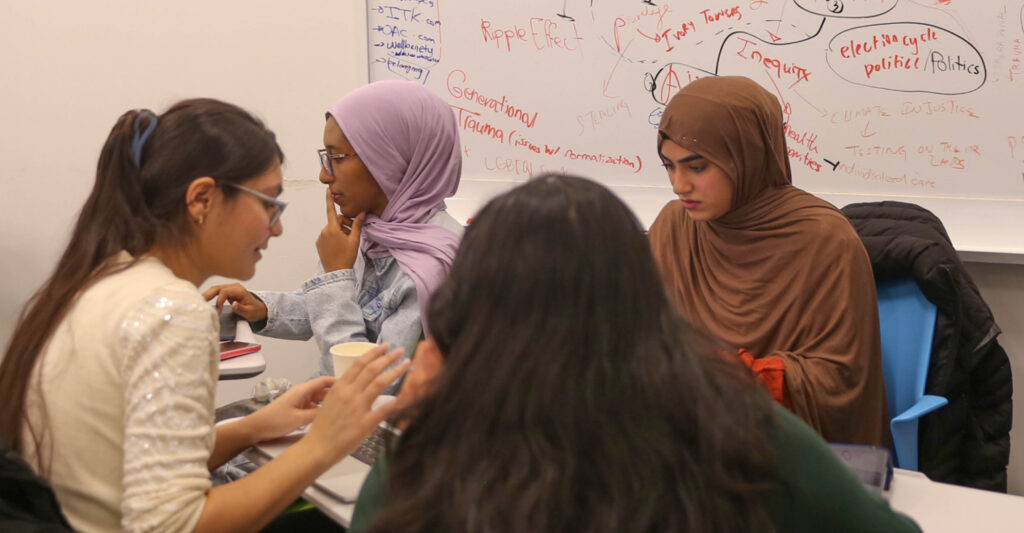
Stéphane Brutus, dean of the Telfer School of Management, said it was a necessary response to a crisis gripping the student community. “We can see that our students are suffering,” he said. “These issues affect them and affect their circle of friends. When we give them a voice, we empower them to come up with solutions.”
For Dr. Brutus, the problem isn’t a lack of student services. “It’s a lack of coordination,” he said. By bringing in local community partners such as the Youth Services Bureau of Ottawa to coach students during Innovation Sprints the university is breaking down the barriers between sectors. “It’s win-win-win,” said Dr. Brutus. “The community wins, students win and faculty wins. These are complex problems that won’t be solved through any single economic, legal or social approach. They require interdisciplinary thinking.”
This all-hands-on-deck approach was the spark NextRoom, a mutual aid platform created by Aidan Fitzmaurice and other students at uOttawa, Carleton, and Université du Québec en Outaouais, to help students secure housing.
“Students need affordable housing, not luxury marketing.”
“Even the university was surprised by the scope of the problem,” said Mr. Fitzmaurice, a second-year student in political science at uOttawa. “Student homelessness doesn’t necessarily mean living on the streets. The real, worsening problem is that students couch-surf in dangerous or inappropriate conditions. Students are living with their friends without a lease. They’re just one argument away from living on the street. That breeds dangerous power dynamics. I’m writing my thesis on it. Some students even exchange sexual services for housing. It’s a total power imbalance.”
The young researcher blames the situation on the monopolization and financialization of private student housing, where luxury residential complexes demand more than $1,500 per month in rent. “Corporate property managers charge a fortune by selling amenities students don’t need, like puppy yoga classes,” he said. “Meanwhile, some scholarships don’t even cover $1,000 per semester. Students need affordable housing, not luxury marketing.”
Dr. Weissman noted that while Canada has national housing and poverty strategies that target groups like families and elementary or secondary school students, no federal programs specifically target university student homelessness.
Asked about targeted programs, Housing, Infrastructure and Communities Canada (HICC) denies any neglect of the student population and shifts partial responsibility to other levels of government. “Although educational institutions are primarily under provincial and territorial jurisdiction, the federal government plays a prominent role in preventing and reducing homelessness,” HICC said in an email.
Ottawa favours big-picture funding allocations over targeted solutions. The government’s leading strategy, Reaching Home, has funded more than 2,800 projects intended to house young people aged 13 to 24 across the country. HICC also recently eliminated GST on new student residences constructed by universities and invested $273 million through the Canada Mortgage and Housing Corporation (CMHC) to fund 2,141 student housing units. The HICC added that the new Build Canada Homes program promises to include on- and off-campus student rental housing as part of its billion-dollar funding envelope.
However, housing experts do not unanimously support these big-picture allocations and projects backed by bank loans.
In a recent article published in the journal Lien social et Politiques, Nick Revington, a researcher with Quebec’s Institut national de la recherche scientifique (National Institute for Scientific Research), analyzed what he calls the “studentification” of urban neighbourhoods: the transformation a neighbourhood undergoes after students settle in large numbers in a concentrated area.
“Studentification creates a sort of bifurcation,” said Dr. Revington. “Some students can afford to access this more expensive housing, but others are excluded.” The current housing crisis is driving Canada’s most vulnerable students to live further away from campus. “Students who can’t afford these rents are forced to find an apartment further and further away, increasing the time they spend on public transit to get to class, or forcing them into extreme precarity where they wind up living in their cars.”
“If students can’t afford housing anymore, universities have lost their purpose.”
Dr. Revington noted this crisis is amplified by decades of governmental neglect. “Until the 1970s and ’80s, the CMHC helped universities build residences. But over the last thirty or forty years, governments have paid no attention at all to student housing. This is part of a wider trend of disinvestment in social housing that contributes to the current housing crisis.”
Although Ottawa recently launched the Apartment Construction Loan Program to post-secondary institutions, Dr. Revington has concerns about its actual scope. “Universities have to resort to backing private development or act as property developers. They still have to source the initial capital and be able to pay the interest on those loans. The money to construct this affordable housing isn’t free.”
Dr. Revington feels the various levels of government are constantly passing the buck. “No one wants to address this issue. The federal government says that student housing is an education issue and therefore under provincial jurisdiction. The provinces respond that it’s a housing issue, and thus the purview of the federal government and the CMHC. Meanwhile, municipalities are managing homelessness crises and the effects of studentification on the ground, but they have the least direct power and resources to act.”
Dr. Weissman argues universities need to start looking at student homelessness as an existential threat. “If students can’t afford housing anymore, universities have lost their purpose,” he said.

More from Features
-

Quebec universities: 60 years of change
From the Quiet Revolution to the present day, universities have profoundly transformed Quebec society. As a provincial election rapidly approaches, we reflect on their changing mission over six decades of often tense history.
-
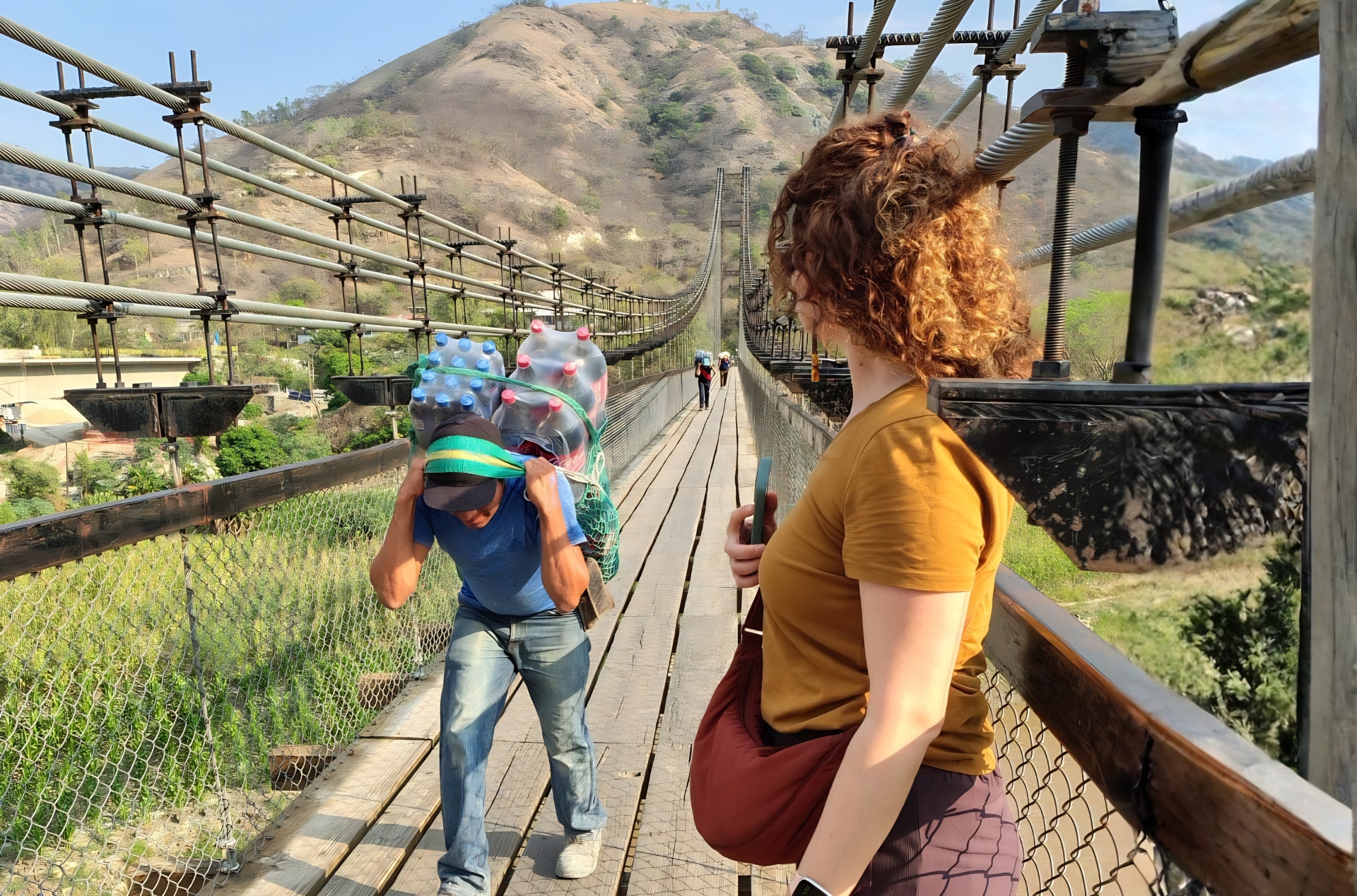
A bridge to human rights
IDRA scholarship winner Karen Spring studies Central American communities seeking redress for harms caused by major development projects.
-
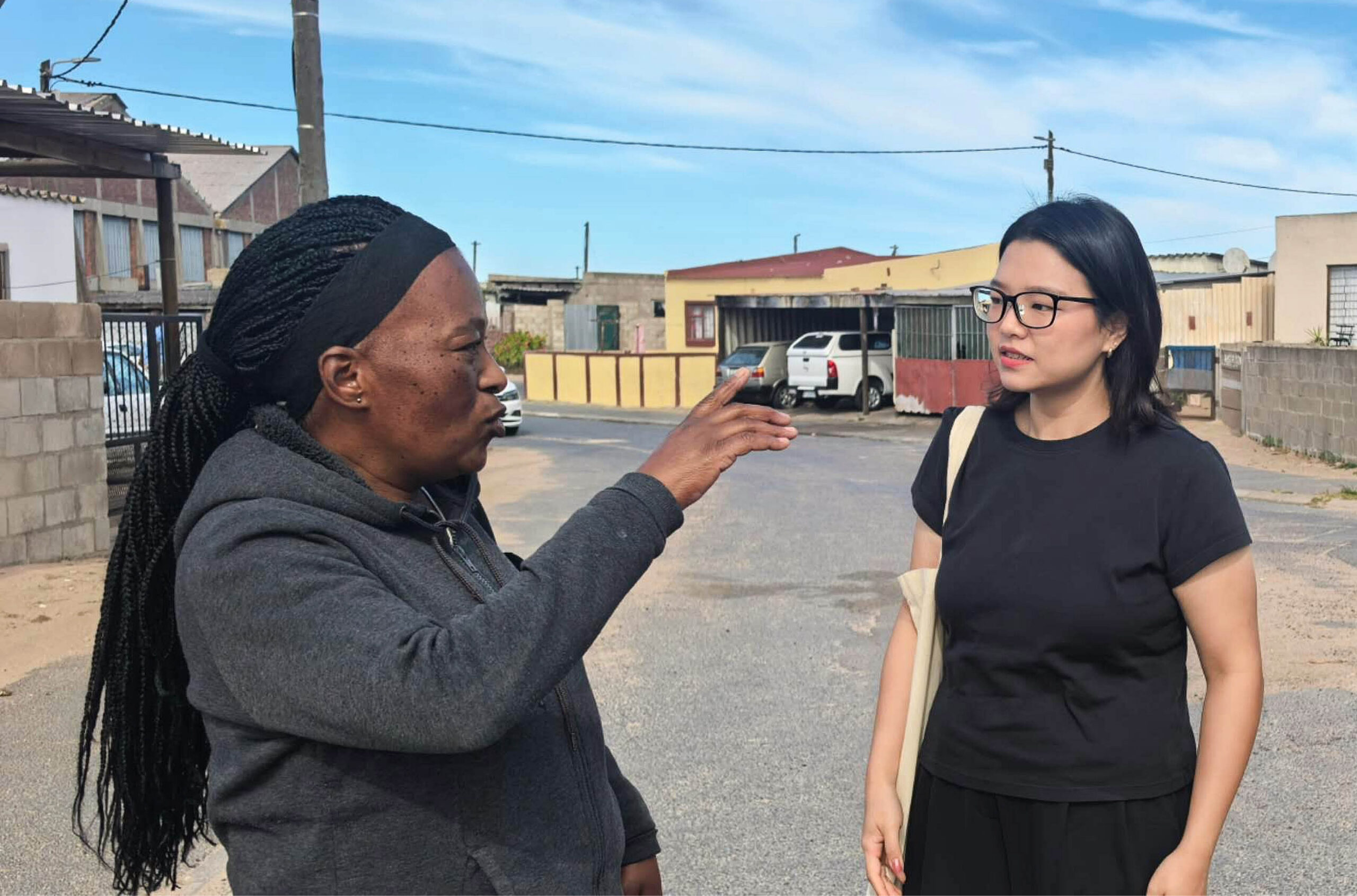
Heat waves and brain waves
IDRA scholarship winner Tianqi Zhao studies climate change and mental health in South Africa.
-

Take me to the river
IDRA scholarship winner Peter Duker studies community fishing practices in Thailand.
More from Students
-

Kids with wealthy grandparents more likely to attend university
High-income grandparents can compensate for low-income parents in higher-ed access, a recent study shows.
-

The paradox of doctoral learning
Completing a PhD doesn’t mark the end of learning, but rather the loss of the illusion that learning ever ends.
-

Ottawa extends successful program to recruit French-speaking international students
Minority communities, universities, benefit from demographic boost of young francophones.
-

Fostering Black brilliance
At two Atlantic Canadian universities, small teams are thinking big to promote the scientific potential of students of African descent.
More from Feature articles
-

Two solitudes: Quebec Universities in WWII
Historical researcher explores English-French divide over Second World War.
-

Northern Shift
The alarming rise of far-right movements in Canada.
-

How social movements shape Canadian universities
A history of clashes, challenges, and lessons learned.
-

U the North
Working together with Inuit, First Nations and Métis, university researchers are bolstering sovereignty and improving living conditions in the Arctic.


Post a comment
University Affairs moderates all comments according to the following guidelines. If approved, comments generally appear within one business day. We may republish particularly insightful remarks in our print edition or elsewhere.