Go north for adventure and an education, says B.C. government
The province has invested nearly $350,000 to draw students to northern British Columbia, a region that is suffering from dwindling student enrolment.

Come to northern British Columbia for its affordable education and transferrable credits, stay for its small communities and big landscapes – at least, that’s the message the B.C. government is using to sell the region’s postsecondary schools.
The new StudyNorthBC.ca campaign is attempting to recruit students to northern B.C.’s four institutes of higher learning, including the University of Northern British Columbia in Prince George, under the tagline “Opportunity, lifestyle and adventure.” The website traffics heavily in images of outdoor activity set against mountain views and crystal-clear lakes, with information on the region available in five languages. The photos continue on the campaign’s Instagram, Twitter and Facebook accounts, but there they are supplemented by stories from students and data on the region’s job market.
The campaign was produced by the Northern Post-Secondary Council, led by the B.C. Ministry of Advanced Education, Skills and Training and the presidents of the four postsecondary institutions. The province contributed nearly $350,000 to the project’s budget of $500,000.
At a launch last fall, Melanie Mark, minister of advanced education, said the campaign responds to dwindling student numbers in the region. “As citizens of B.C., we invest in these institutions. We want to make sure they are at full capacity,” she said.


Featured Jobs
- Music - (4) Assistant Teaching Professors (String Quartet)University of Victoria
- Pure Mathematics - Assistant Professor (Number Theory, Algebra, or Topology)University of Waterloo
- Director, Human Research Ethics & Strategic AdvisorUniversity of Manitoba
- KAUST Global Fellowship Program - Postdoctoral Fellowship (Call 2027)King Abdullah University of Science and Technology
- Architecture - Assistant Professor (Digital Fabrication, Design Computation, and Design/Build)Laurentian University
More from News
-
Remove EDI from research funding decisions, parliamentary committee says
The Standing Committee on Science and Research says ‘discriminatory’ EDI policies are ‘weakening the quality of Canadian research’.
-

Good medicine: new programs train country doctors
Université de Montreal follows Queen’s prescription to heal the shortage of family physicians in rural areas.
-
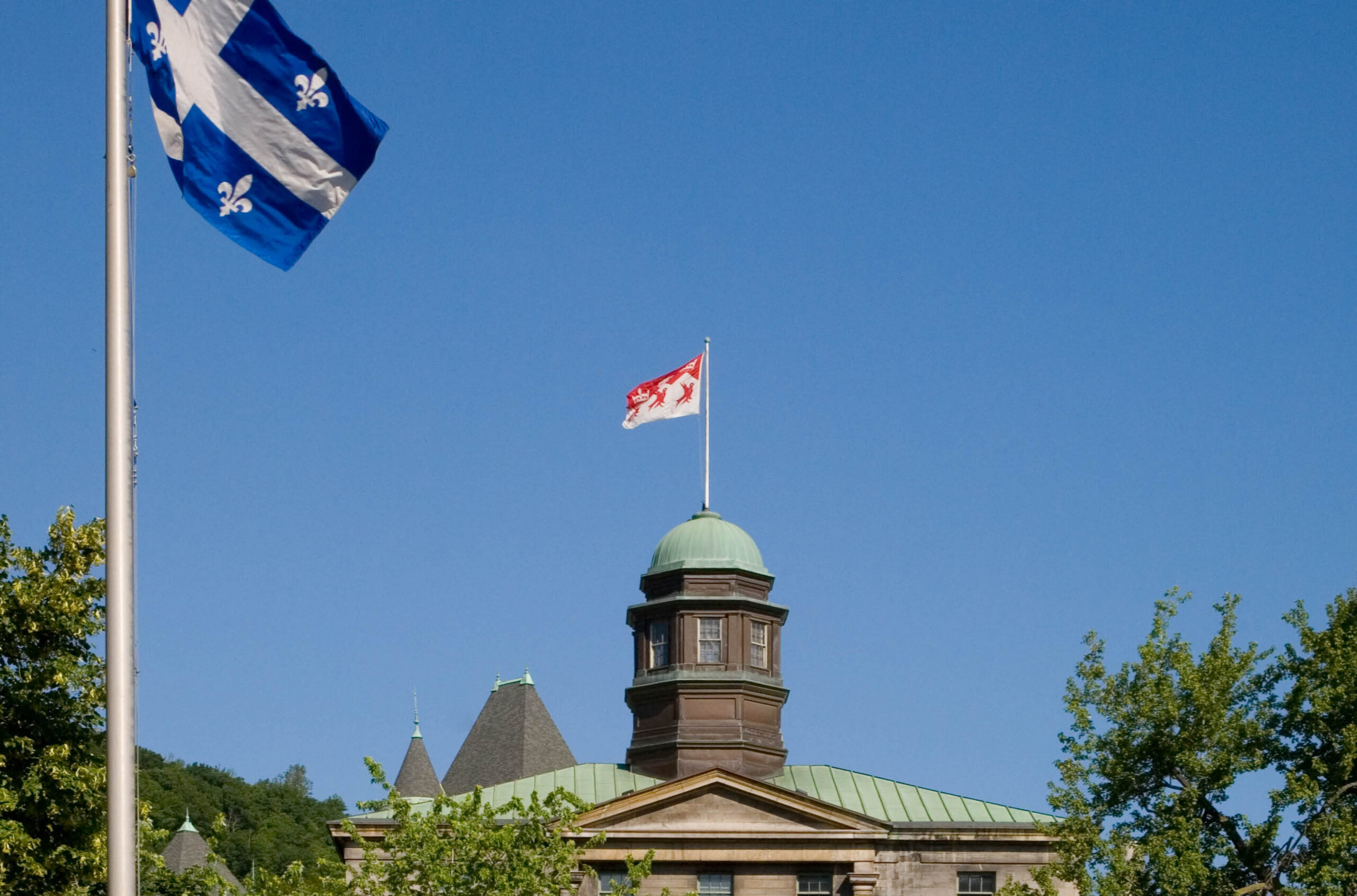
Quebec’s English-language universities embrace new French requirements as fall cohort begins
McGill, Concordia and Bishop’s universities roll out new initiatives to encourage students to learn French on and off campus.
-
Attacks on higher education spread globally, including in liberal democracies, Scholars at Risk report finds
Canada urged to defend values amid erosion of institutional autonomy in the U.S.
More from Campus news
-
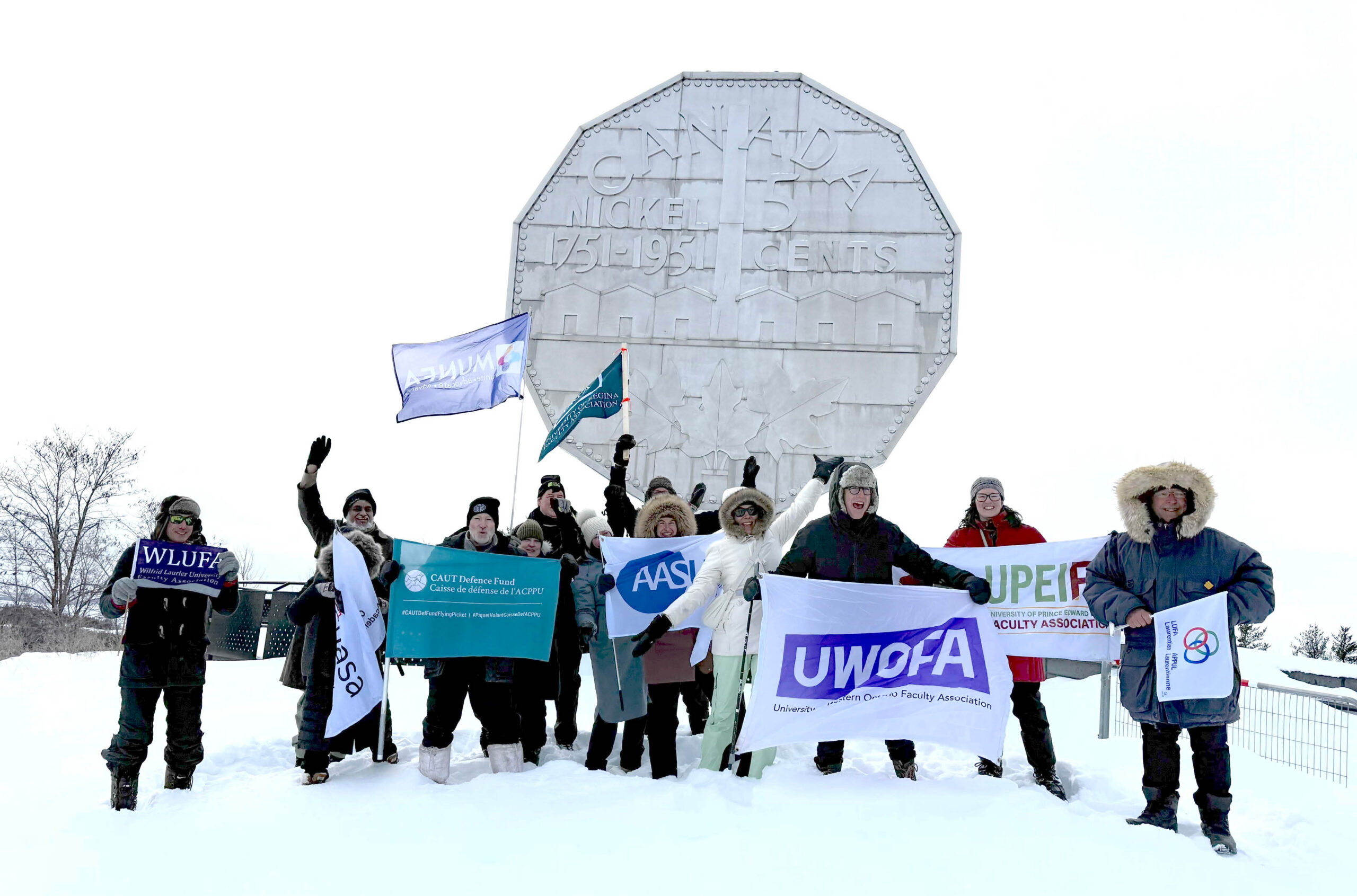
Strike over, but strife remains at Laurentian
Faculty ratify new collective agreement, but say the deal still puts them behind other Ontario universities.
-
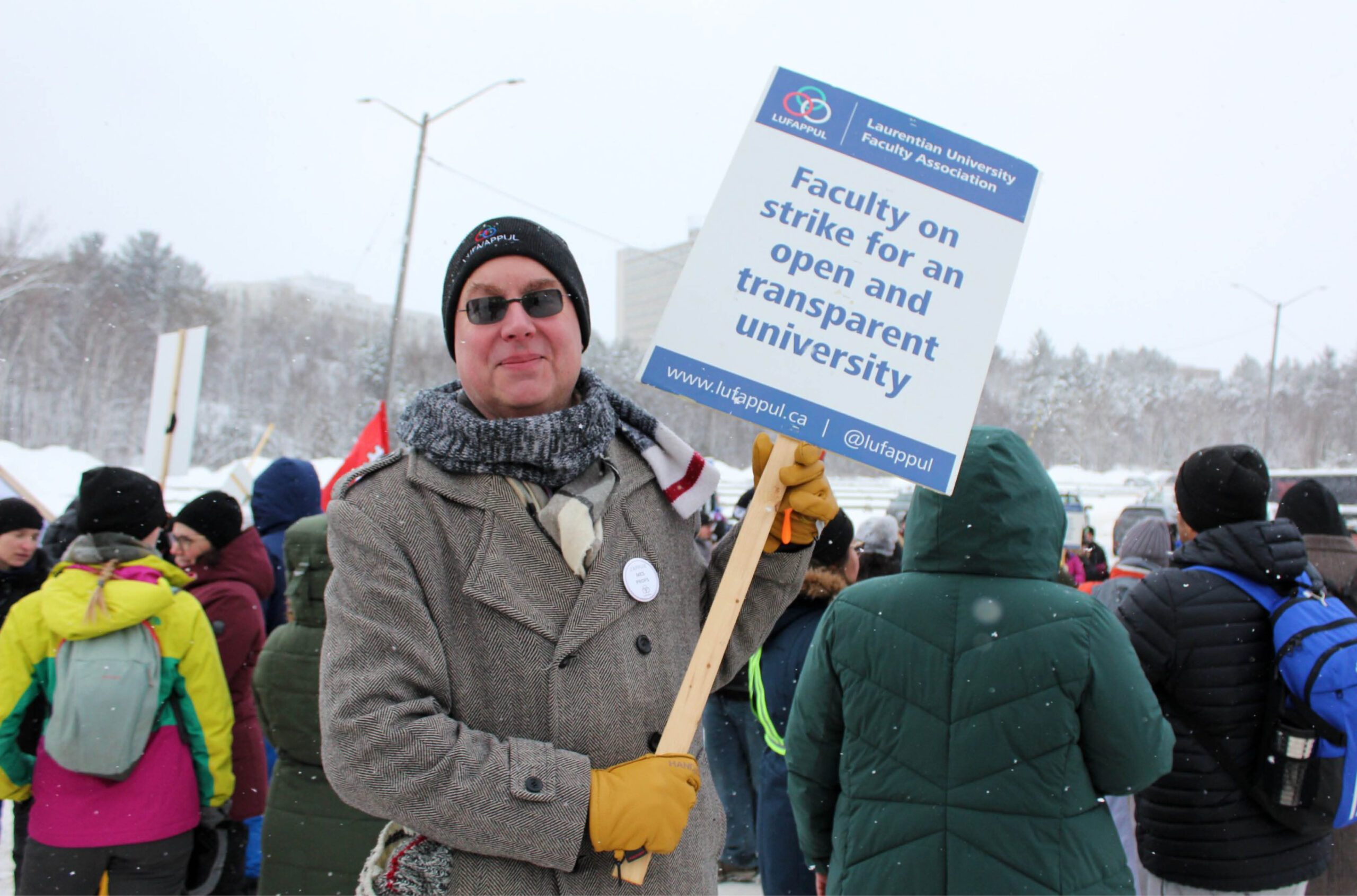
Faculty strike at Laurentian
Negotiations fail, picket lines rise at northern Ontario university.
-

Quebec universities weather an unprecedented storm
The province’s institutes of higher learning are navigating immigration restrictions, language policies, budget cuts and challenges to academic freedom.
-

Reflecting the cultural temperature
A look back at some of Spring’s convocation speeches at Canadian universities.
More from Articles
-

Universities struggle to be heard in Quebec election
In a campaign dominated by the U.S. trade war and the soaring cost of living, universities assert their continued importance.
-

Grad student visas double since 2025
Policy changes drive sharp rise in permits for international master’s and PhD candidates.
-

Where do Quebec’s political parties stand on higher education?
With the provincial election less than a month away, we provide a roundup of platforms and promises.
-

Kids with wealthy grandparents more likely to attend university
High-income grandparents can compensate for low-income parents in higher-ed access, a recent study shows.

Post a comment
University Affairs moderates all comments according to the following guidelines. If approved, comments generally appear within one business day. We may republish particularly insightful remarks in our print edition or elsewhere.