U of Guelph bans plastic straws and bags at most campus restaurants and shops
The change should divert about 175,000 straws and 155,000 bags from landfills.
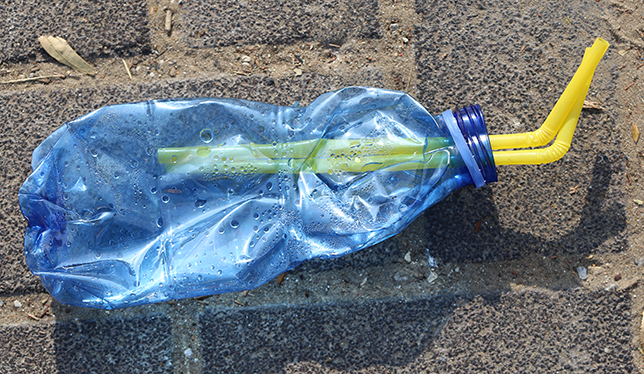
Plastic straws and bags are on their way out at the University of Guelph. The university’s hospitality services department has announced that it will no longer offer the single-use plastic products at most of its restaurants and shops. The change affects 17 of 22 food service locations but won’t apply to five licensed franchises operating on campus, including Tim Hortons and Booster Juice.
According to Ed Townsley, executive director of hospitality services, the change should divert about 175,000 straws and 155,000 bags from landfills. Food services and retail locations will continue to offer compostable plastic cutlery, compostable plastic straws (by customer request) and paper bags. The campus will also continue to sell pre-packaged drinks in plastic bottles due to contractual obligations to Coca-Cola.
The ban at U of G comes as social media campaigns to ditch takeaway plastic products gain momentum – the most successful being #StrawsSuck by the Surfrider Foundation, which turned a video of a turtle with a straw embedded in its nostril into international news. Though similar bans against plastic straws and bags have yet to take effect at other institutions in Canada, at least 14 universities have stopped selling bottled water.


Featured Jobs
- KAUST Global Fellowship Program - Postdoctoral Fellowship (Call 2027)King Abdullah University of Science and Technology
- Music - (4) Assistant Teaching Professors (String Quartet)University of Victoria
- Director, Human Research Ethics & Strategic AdvisorUniversity of Manitoba
- Architecture - Assistant Professor (Digital Fabrication, Design Computation, and Design/Build)Laurentian University
- AS#403: RESTRICTIONS FAILED
More from News
-

Remove EDI from research funding decisions, parliamentary committee says
The Standing Committee on Science and Research says ‘discriminatory’ EDI policies are ‘weakening the quality of Canadian research’.
-

Good medicine: new programs train country doctors
Université de Montreal follows Queen’s prescription to heal the shortage of family physicians in rural areas.
-
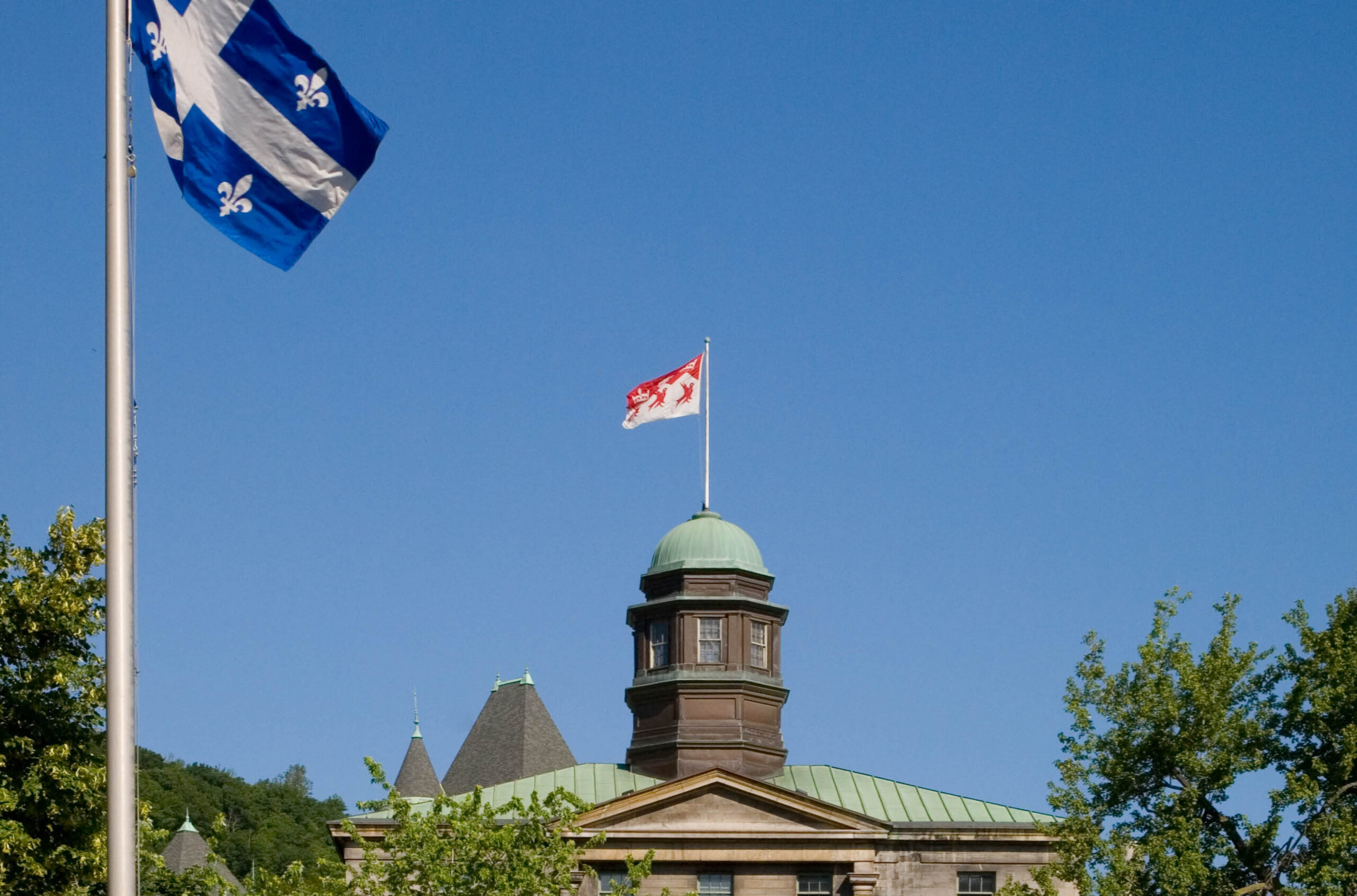
Quebec’s English-language universities embrace new French requirements as fall cohort begins
McGill, Concordia and Bishop’s universities roll out new initiatives to encourage students to learn French on and off campus.
-
Attacks on higher education spread globally, including in liberal democracies, Scholars at Risk report finds
Canada urged to defend values amid erosion of institutional autonomy in the U.S.
More from Articles
-

Universities struggle to be heard in Quebec election
In a campaign dominated by the U.S. trade war and the soaring cost of living, universities assert their continued importance.
-

Grad student visas double since 2025
Policy changes drive sharp rise in permits for international master’s and PhD candidates.
-

Where do Quebec’s political parties stand on higher education?
With the provincial election less than a month away, we provide a roundup of platforms and promises.
-

Kids with wealthy grandparents more likely to attend university
High-income grandparents can compensate for low-income parents in higher-ed access, a recent study shows.

Post a comment
University Affairs moderates all comments according to the following guidelines. If approved, comments generally appear within one business day. We may republish particularly insightful remarks in our print edition or elsewhere.